
 Save
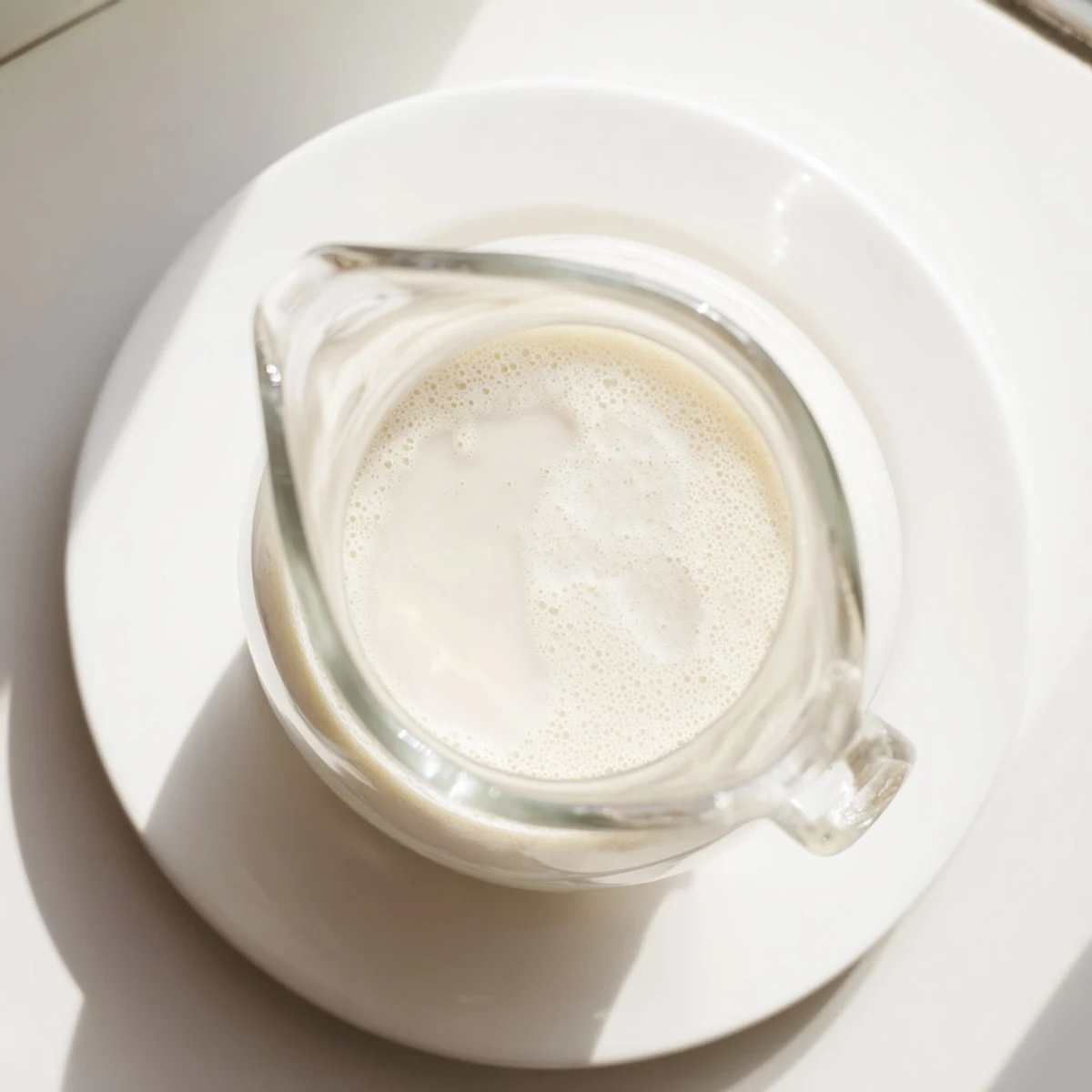
Save Transform raw almonds into silky, fresh almond milk right in your kitchen. This simple method requires only basic equipment and delivers smooth, creamy results without any additives or preservatives.
Start by soaking raw almonds overnight to soften them, then blend with fresh filtered water until completely smooth. Strain through a nut milk bag or cheesecloth to separate the rich, white liquid from the pulp. The entire process takes just 10 minutes of active time.
Customize your batch with maple syrup, vanilla extract, or sea salt to match your taste preferences. The leftover almond pulp can be repurposed for baking or smoothies, making this a zero-waste kitchen staple.
The blender screamed at six in the morning and my roommate came stumbling out of her bedroom convinced something had exploded in the kitchen. I was holding a nut milk bag dripping with what looked like cloudy bathwater, grinning like an idiot because I had finally done it. Store bought almond milk had been silently bankrupting me for months, and something about watching those pale almonds disappear into silky white liquid felt like uncovering a magic trick.
I started making this every Sunday, partly out of stubbornness and partly because my friend Martin declared he could taste the difference in his coffee and refused to go back to the carton. There is something meditative about squeezing that bag, feeling the milk slip through the cloth while the pulp stays behind. My kitchen smelled faintly sweet and nutty for hours afterward.
Ingredients
- Raw almonds (1 cup): Use truly raw unsalted almonds, not roasted, because roasting changes the flavor entirely and blocks that clean creamy result.
- Filtered water (4 cups): The quality of your water directly affects the taste, so use filtered if your tap water has any chlorine smell.
- Maple syrup or honey (1 to 2 tablespoons, optional): A touch of sweetness rounds everything out and makes it feel like a treat rather than a project.
- Vanilla extract (1 teaspoon, optional): This lifts the whole batch into something that feels finished and special, not just ground up nuts in water.
- Sea salt (pinch, optional): Just a tiny pinch wakes up the natural sweetness without making it taste salty.
Instructions
- Soak the almonds:
- Cover the almonds generously with water in a bowl and leave them to soak at least eight hours or overnight. You will know they are ready when they feel plump and you can pinch one easily between your fingers.
- Blend until velvety:
- Drain the soaked almonds, rinse them well, then add them to your blender with four cups of fresh filtered water. Blend on high for one to two minutes until the mixture looks completely smooth and frothy on top.
- Add optional flavors:
- If you want sweetness or vanilla, add it now and blend for just a few seconds to combine. This is also the moment to toss in cocoa powder or cinnamon if you are feeling adventurous.
- Strain the milk:
- Drape your nut milk bag or cheesecloth over a large bowl or jug and pour the blended mixture through it. The liquid that passes through is your almond milk, and everything left behind is the pulp.
- Squeeze with conviction:
- Gather the bag or cloth tightly and squeeze firmly to extract every last drop of milk. Do not be gentle here, the last squeeze often yields a surprising amount.
- Store properly:
- Pour the strained milk into a clean glass bottle or jar and keep it in the refrigerator. It will stay fresh for four to five days, just shake it well before each use because separation is completely natural.
 Save
Save The first time I served this to my mother she stared at the glass suspiciously, took one sip, and then quietly drank the entire thing without saying a word. That silence was the highest compliment she has ever given anything I made in a kitchen.
A Few Words About Soaking
Skipping the soak is the single biggest mistake people make with homemade nut milk. Those eight hours soften the almonds so your blender can break them down completely, and they also begin a gentle fermentation that actually improves digestibility. If you are in a genuine rush, you can pour boiling water over raw almonds and soak them for as little as one hour, but the texture will not be quite as silky. Patience here is the real secret ingredient.
Flavor Variations Worth Trying
Once you have the basic method down, the variations are endless and honestly addictive. A tablespoon of cocoa powder turns this into a chocolate milk that will ruin the store bought version for you permanently. A whole cinnamon stick dropped into the finished milk while it chills gives it a warm spiced quality that feels perfect in autumn.
What to Expect from Homemade
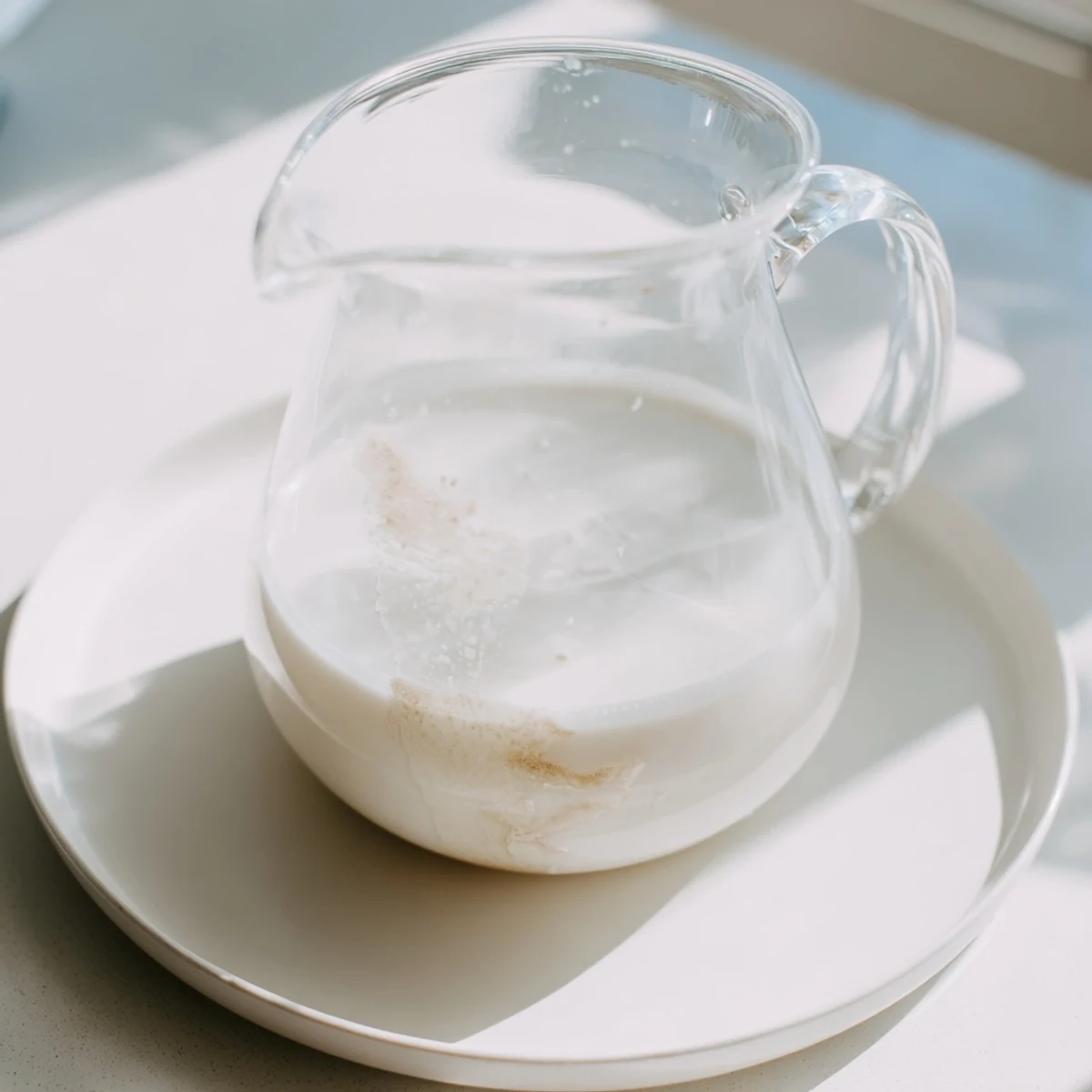
Your almond milk will separate in the fridge because it does not contain the emulsifiers that commercial brands use, and this is a good sign rather than a flaw. Shake it vigorously before pouring and it comes right back together. The color will be slightly less white than what you find in stores, more of a soft ivory, and the taste will be lighter and cleaner on your tongue.
- Shake the bottle every single time before pouring.
- If the flavor starts to taste sour or off, it has passed its prime.
- Always label your jar with the date you made it so you know when to use it by.
 Save
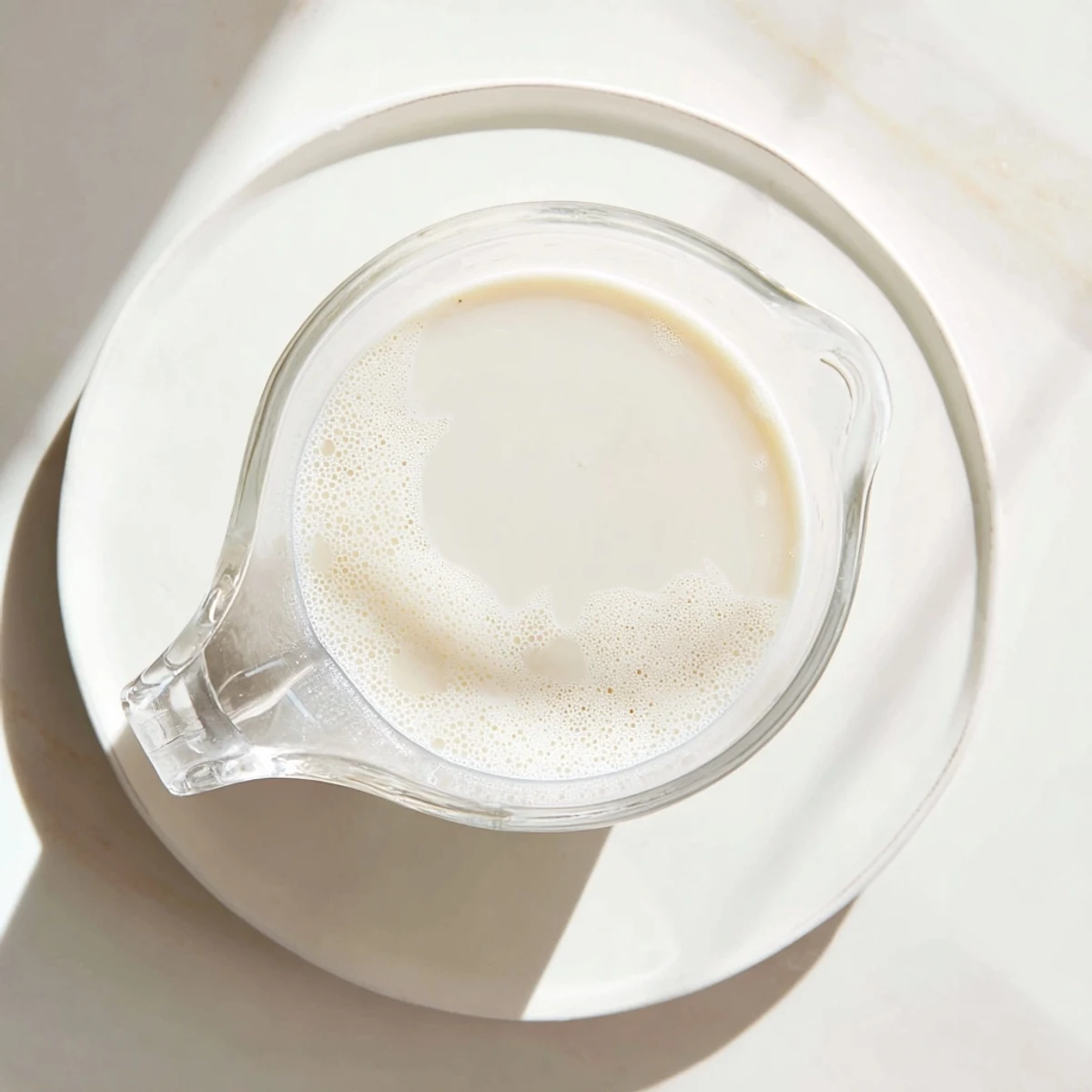
Save Once you start making almond milk at home, going back to the carton feels like settling for a postcard when you could have the view. It is ten minutes of effort for something that genuinely transforms your mornings.
Recipe FAQs
- → How long does homemade almond milk last?
-
Freshly made almond milk keeps well in the refrigerator for 4-5 days when stored in a clean, airtight container. Always give it a good shake before pouring, as natural separation occurs.
- → Do I really need to soak the almonds?
-
Yes, soaking is essential as it softens the nuts, making them easier to blend and helping release more milk. It also breaks down phytic acid and enzyme inhibitors, improving digestion and nutrient absorption.
- → Can I skip the straining step?
-
You can, but the result will be thicker with noticeable almond pulp. For smooth milk similar to store-bought versions, straining is recommended. The leftover pulp makes excellent almond flour for baking.
- → What can I use instead of a nut milk bag?
-
A clean cheesecloth doubled over and placed in a fine mesh sieve works perfectly. You can also use a clean cotton dishcloth or even a French press, though results may vary slightly in smoothness.
- → Is homemade more economical than store-bought?
-
Yes, making your own almond milk typically costs less than buying premium brands, especially when buying almonds in bulk. You also control exactly what goes into it—no preservatives, thickeners, or hidden ingredients.