
 Save
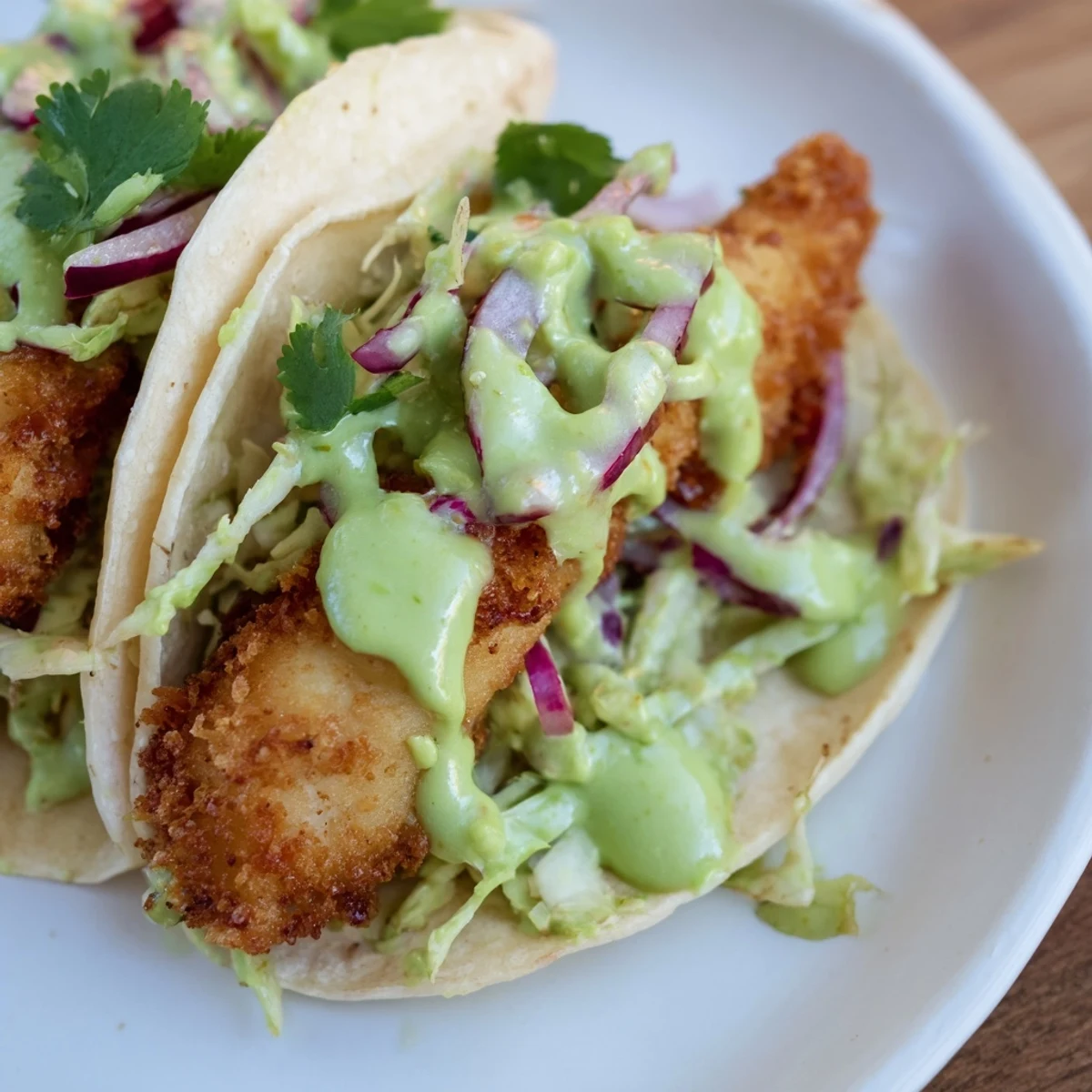
Save Golden strips of white fish get lightly battered and fried until perfectly crisp, then nestled into warm corn tortillas with a refreshing cabbage slaw. The star is the luscious avocado crema—blended until silky smooth with sour cream, fresh cilantro, and bright lime juice. Each bite delivers that irresistible combination of hot, crispy fish against cool, creamy toppings. Ready in under an hour, these capture the essence of coastal Baja cuisine right in your kitchen.
The smell of frying fish and lime always takes me back to a tiny beachside shack in Rosarito where I first understood what makes fish tacos extraordinary. The cook there flipped tortillas with one hand while managing three frying baskets with the other, moving like he was conducting a symphony. When I got home and tried to recreate that magic, I learned it is not just about the fish, but the contrast between hot crispy batter and cool tangy crema. Now whenever I make these, my kitchen transforms into that coastal moment, even if I am nowhere near the ocean.
Last summer my cousin came over skeptical about fish in tacos, mentioning some disappointing restaurant attempt years ago. I watched her face change completely after that first bite, the crunch of the batter winning her over before she even got to the sauce. Now she texts me every few weeks asking when we are having taco night, proving the right recipe can turn anyone into a believer.
Ingredients
- White fish fillets: Cod or tilapia work beautifully because they hold their shape without overwhelming the delicate seasonings
- All-purpose flour and cornstarch: This combination creates that shatteringly crisp exterior that makes restaurant fish tacos so addictive
- Cold sparkling water: The bubbles are the secret weapon for an impossibly light batter that fries up like clouds
- Ripe avocado: Choose one that yields slightly to gentle pressure, as an underripe avocado will leave your crema grainy and sad
- Fresh cilantro: Do not skimp here because that bright herbal punch cuts through the rich fried elements
- Lime juice: Fresh squeezed makes all the difference in bringing everything to life
Instructions
- Mix the slaw first:
- Toss the shredded cabbage, red onion, cilantro, lime juice and salt in a bowl, then let it hang out while you prep everything else to soften the crunch just right.
- Blend up the crema:
- Combine the avocado, sour cream, cilantro, lime juice, garlic, salt and pepper until silky smooth, then taste and add more lime if it needs brightness.
- Whisk the batter:
- Mix the flour, cornstarch, baking powder, salt, pepper and paprika in a bowl before gradually whisking in the sparkling water until you have a smooth, pourable consistency.
- Heat your oil:
- Get the oil up to 350 degrees in a deep skillet or pot, testing with a drop of batter that should sizzle immediately and rise to the top.
- Fry the fish:
- Dip each fish strip into batter, let the excess drip off, then carefully lower into the hot oil and fry about three minutes until golden brown and irresistible.
- Assemble and serve:
- Pile warm tortillas with crispy fish, top with that bright slaw and generous drizzles of crema, then finish with extra cilantro if you are feeling fancy.
 Save
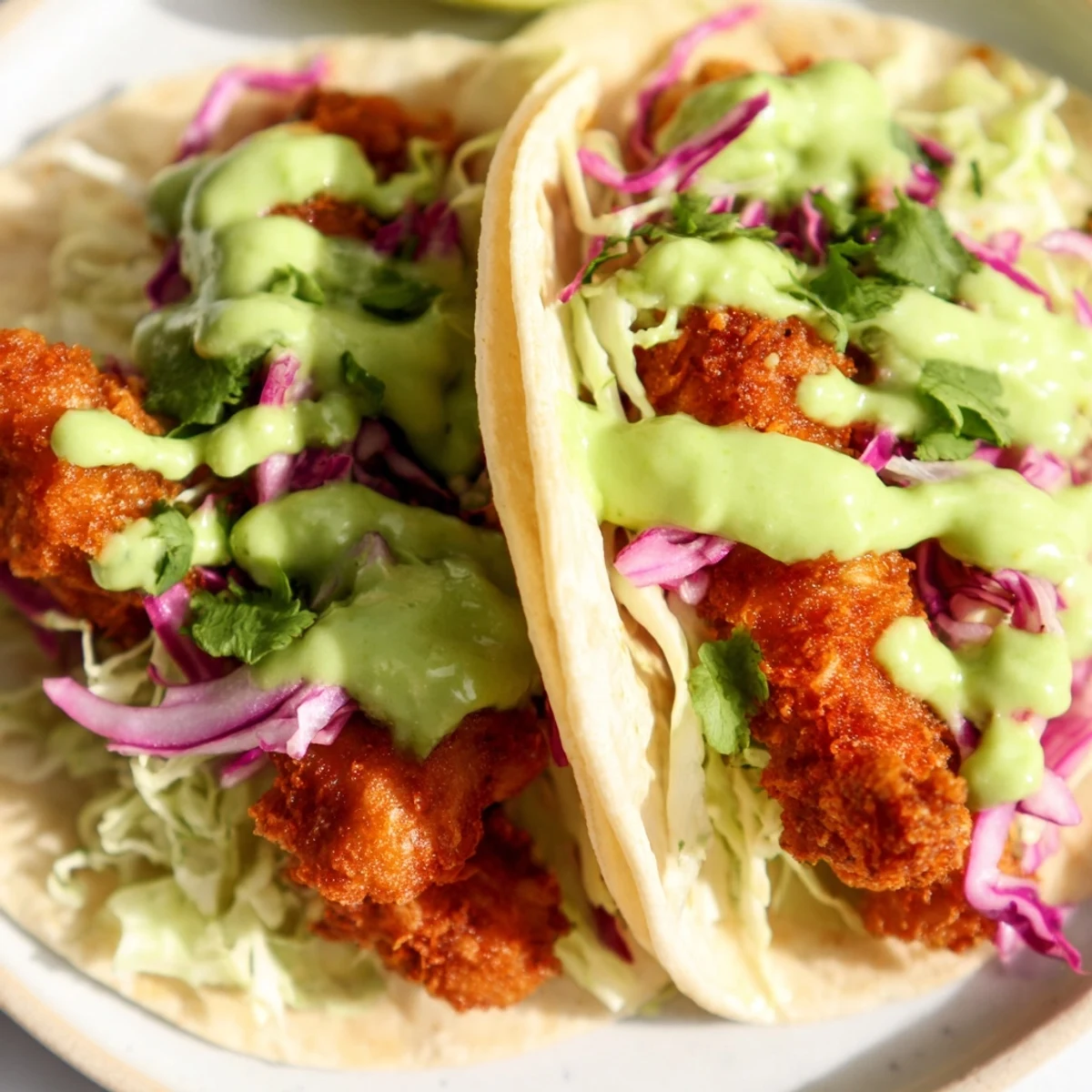
Save These tacos have become my go-to for feeding a crowd because everyone gets to customize their own stack at the table. Watching friends build their perfect bite, some doubling up on crema while others pile on extra slaw, reminds me why this dish is more than just dinner, it is an experience.
Getting the Crispiest Fish
Patting your fish completely dry before battering is the step most people skip, but that moisture prevents the batter from sticking properly. I learned this after one too many batches where the coating slid off in the hot oil, leaving me with naked fish floating in my fryer. Trust the extra minute with paper towels, your future self will thank you.
Making It Your Own
Sometimes I swap half the cabbage for jicama when I want extra crunch or add pickled jalapeños if my spice-loving friends are coming over. The beauty of this recipe is how forgiving it is, allowing you to adjust based on what looks fresh at the market or who is sitting at your table.
Timing Everything Right
The trick to restaurant quality fish tacos at home is having everything ready before you start frying because once that oil is hot, you need to move fast. Get your slaw marinating, crema blended, and tortillas warming, then fry the fish last so it hits the table at peak crispiness.
- Warm tortillas over an open gas flame for those classic charred spots
- Squeeze fresh lime over the fish right before eating
- Keep fried fish on a wire rack instead of paper towels to stay crispy
 Save
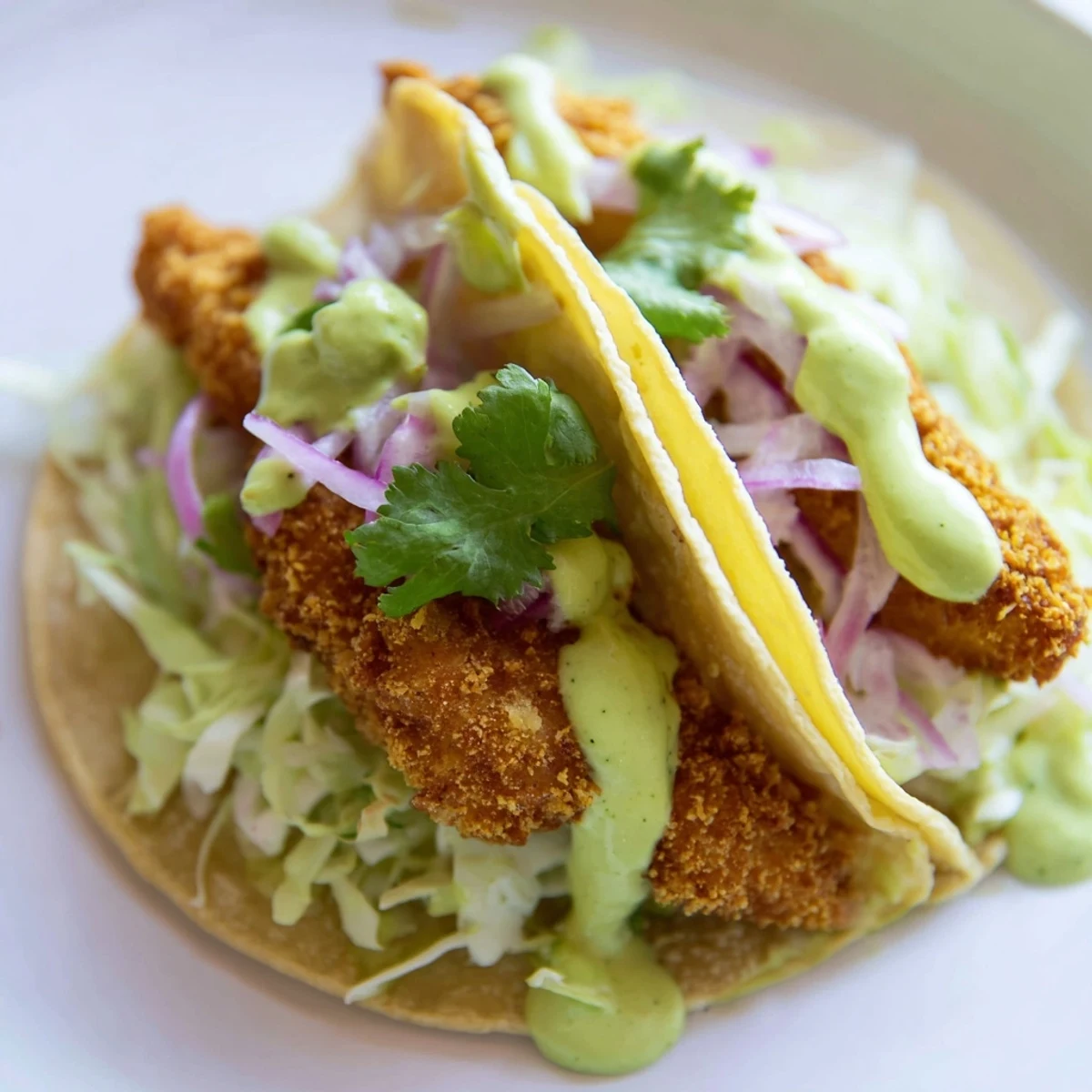
Save There is something deeply satisfying about handcrafted fish tacos that no takeout version can quite capture. Maybe it is the warmth of the tortillas or knowing exactly how fresh every component is, but these always disappear faster than I expect.
Recipe FAQs
- → What type of fish works best?
-
White fish fillets like cod, tilapia, halibut, or mahi-mahi work perfectly. They're mild, flake beautifully, and hold up well to the crispy batter coating.
- → Can I make these ahead of time?
-
Prepare the slaw and avocado crema up to 4 hours ahead and refrigerate. For best results, fry the fish fresh and assemble tacos just before serving to maintain that signature crunch.
- → How do I get the batter extra crispy?
-
The secret is cold sparkling water in the batter and keeping your oil at 350°F. The carbonation creates those irresistible airy bubbles while the high heat seals the coating instantly.
- → What can I substitute for the avocado crema?
-
Mash avocado with lime, salt, and Greek yogurt for a lighter version. Or try chipotle crema by blending sour cream with canned chipotles in adobo.
- → Can I bake instead of fry?
-
Absolutely. Arrange battered fish on a greased baking sheet and bake at 425°F for 12-15 minutes, flipping halfway. You'll get similar flavor with less oil.
- → How do I store leftovers?
-
Keep fish, slaw, and crema in separate airtight containers. Reheat fish in a 375°F oven for 5-8 minutes to restore crispness—avoid microwaving as it makes the coating soggy.