
 Save
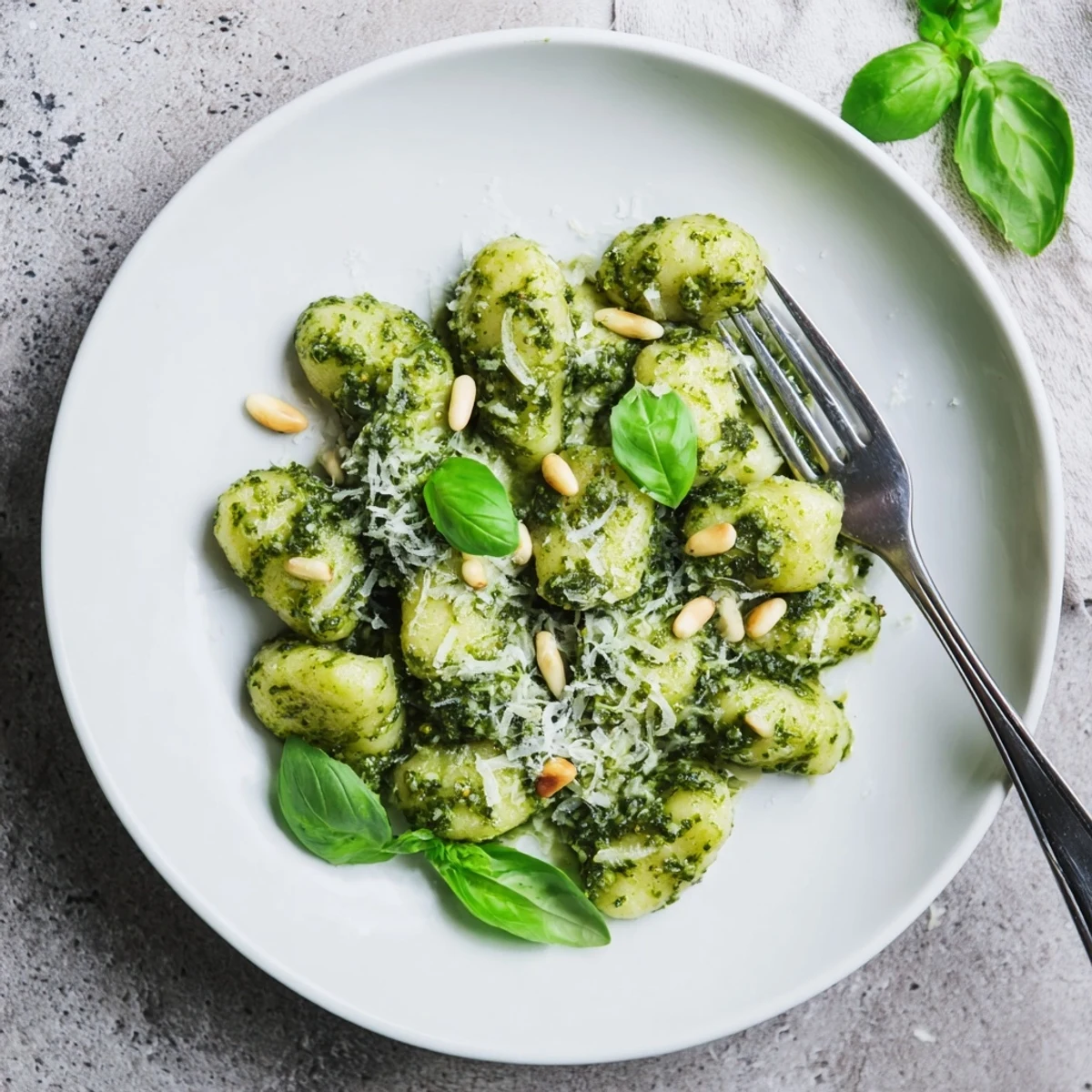
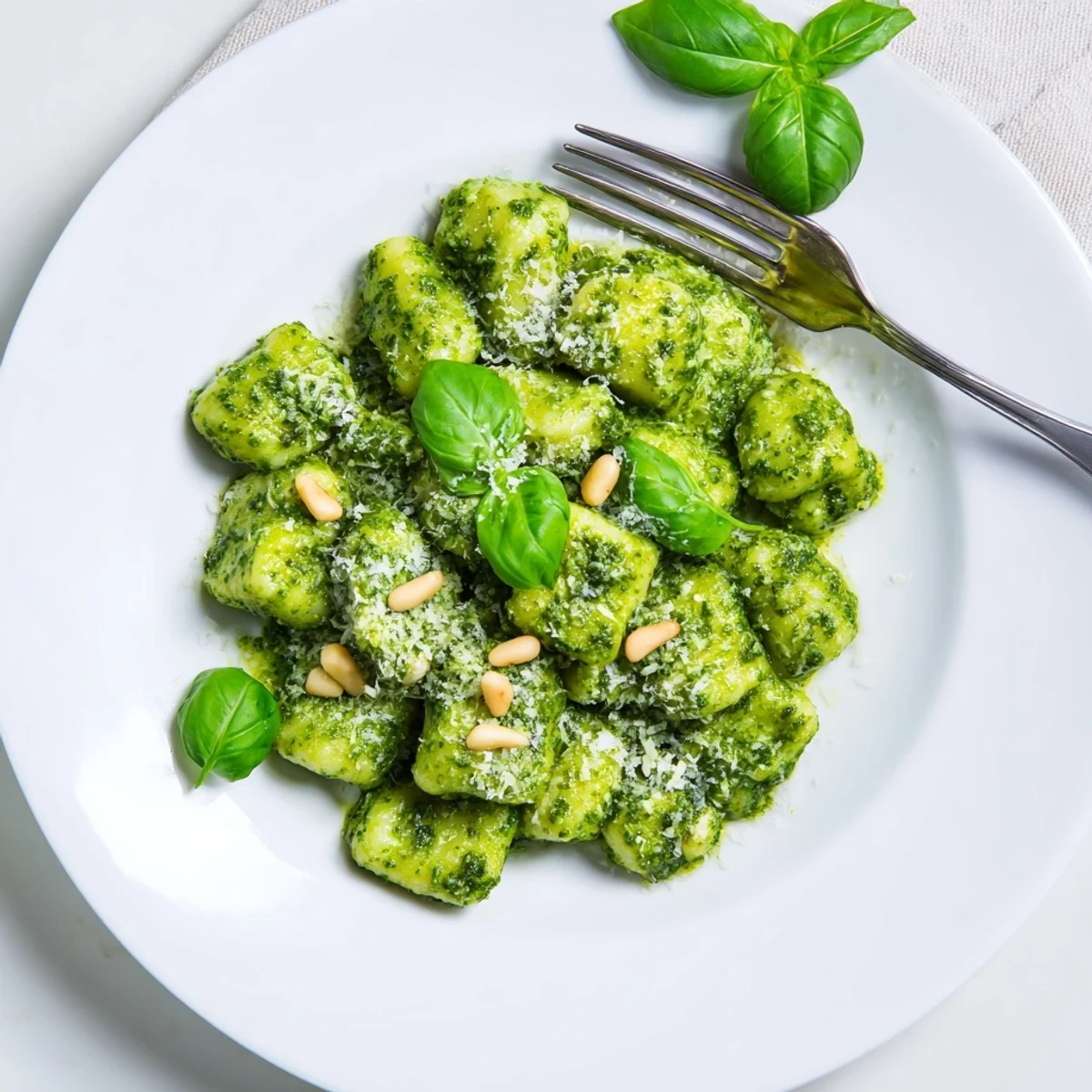
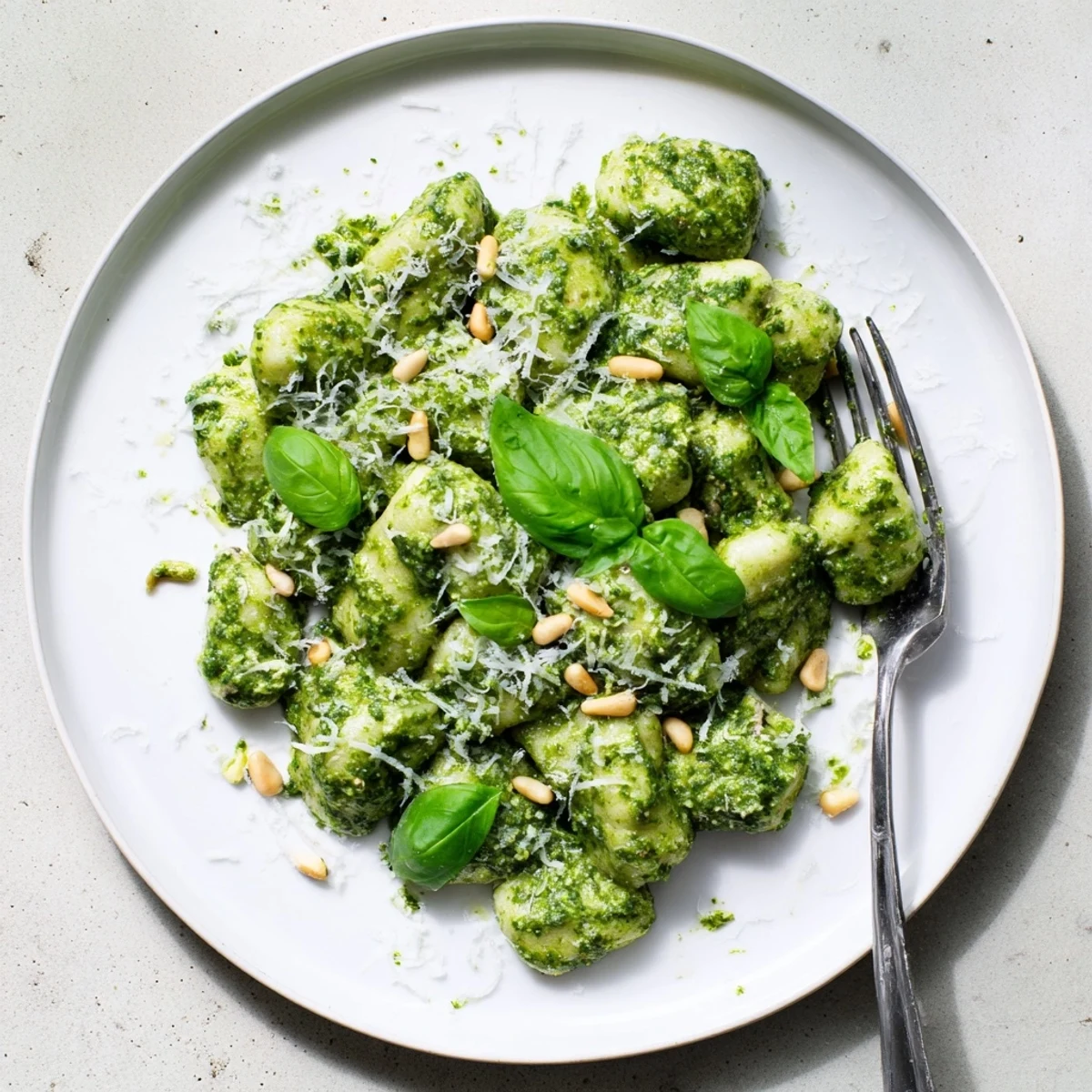
Save This classic Italian combination features pillowy soft potato gnocchi coated in a vibrant, aromatic basil pesto sauce. The fresh herb mixture combines basil leaves, garlic, toasted pine nuts, and Parmesan cheese with extra-virgin olive oil for a rich, creamy texture. Ready in just 25 minutes, this vegetarian main dish comes together quickly for busy weeknights yet feels special enough for casual entertaining. The pesto can be made while the gnocchi cooks, creating an efficient workflow that maximizes flavor without spending hours in the kitchen.
My tiny apartment kitchen smelled like an Italian herb garden that first time I made pesto from scratch. I'd been intimidated by homemade pesto for years, convinced it required some secret technique passed down through generations of nonnas. Turns out, it just requires good ingredients and a willingness to pulse a food processor. Now this fifteen-minute dinner is my weeknight savior.
Last Tuesday, my friend Sarah dropped by after a brutal day at work. I had exactly zero energy to cook anything elaborate, but I had a package of gnocchi and a wilting basil plant on my windowsill. Twenty minutes later, we were curled up on the couch with steaming bowls, and she looked at me with wide eyes and said, this is what I needed.
Ingredients
- 500 g potato gnocchi: Fresh is ideal, but store bought works perfectly fine. Look for packages that feel heavy and dense, not light and airy.
- 50 g fresh basil leaves: The star of the show. Don't even think about dried basil here. Pick leaves that are vibrant green, not bruised or yellowing.
- 2 cloves garlic: Freshly peeled. One clove if you're garlic shy, three if you're like me and believe vampires are real.
- 40 g pine nuts: Toast them lightly in a dry pan first. This isn't optional. It transforms their flavor from mild to nutty magic.
- 60 g grated Parmesan: The good stuff. Buy a wedge and grate it yourself. Pre grated cheese has anti caking agents that make pesto gritty.
- 80 ml extra virgin olive oil: This binds everything together. Use oil you'd drizzle on bread, not the stuff hiding in the back of your pantry.
- Salt and black pepper: Pesto needs salt. Taste as you go. The Parmesan adds saltiness, but you'll probably need more.
- ½ lemon juice: A small squeeze cuts through the rich oil and cheese, making everything taste brighter and fresher.
- Extra Parmesan and basil: Because more is more when it comes to garnish.
Instructions
- Get the water going:
- Bring a large pot of salted water to a boil while you prep everything else. Don't be shy with the salt. It should taste like the ocean.
- Make the magic happen:
- Throw basil, garlic, toasted pine nuts, and Parmesan into your food processor. Pulse until coarsely chopped. With the motor running, pour in olive oil in a slow stream. Watch it transform into a vibrant, fragrant sauce. Season with salt, pepper, and lemon juice.
- Cook the gnocchi:
- Drop those pillowy dumplings into boiling water. They'll sink at first, then float to the top when done, usually about 2 to 3 minutes. Don't walk away. Overcooked gnocchi turns into gluey sadness.
- The important reserve:
- Before draining, scoop out about ½ cup of the starchy cooking water. This liquid gold will help your pesto cling to every nook and cranny of the gnocchi.
- Bring it together:
- Dump the drained gnocchi into a large bowl. Pour over that glorious pesto. Toss gently, adding splashes of reserved water until you have a glossy, silky coating hugging each piece.
- Finish with flourish:
- Plate it up while it's steaming hot. Scatter with extra Parmesan, fresh basil leaves, and a few more toasted pine nuts because you deserve it.
 Save
Save This recipe saved me during my first month in a new city when I didn't know anyone and my kitchen was half unpacked boxes. Something about the rhythm of toasting nuts, grating cheese, and watching basil break down made that empty apartment feel like home. Now whenever I make it, I remember that first lonely week turned comforting.
The Nut Situation
Pine nuts are traditional, but they're pricey and sometimes hard to find. I've made excellent pesto with toasted walnuts, almonds, and even cashews in a pinch. Each nut brings its own personality. Walnuts add earthiness. Almonds contribute sweetness. Cashews make it creamier. Experiment with what you have or what's on sale.
Make It Yours
Pesto is endlessly adaptable once you understand the basic formula. Greens, nuts, hard cheese, garlic, oil. Swap basil for arugula and add lemon for a peppery version. Use spinach for something milder. Try adding sun dried tomatoes or roasted red peppers. The gnocchi canvas works with whatever paint you want to throw at it.
The Leftover Situation
Extra pesto keeps in the fridge for about a week, pressed under plastic wrap, or frozen for months. Portion it into ice cube trays before freezing. Then you have single serve portions ready to toss with pasta, spread on sandwiches, or swirl into soup. The gnocchi itself doesn't reheat well, so eat it all the first night. Trust me, that won't be a problem.
- Double the pesto and freeze half for next time
- Toss in cherry tomatoes or sautéed zucchini for extra vegetables
- A splash of cream transforms this into something even more indulgent
 Save
Save Some nights, dinner is just fuel. Other nights, it's a fifteen minute trip to Italy. I know which kind of night I'd rather have.
Recipe FAQs
- → What type of gnocchi works best?
-
Fresh potato gnocchi from the refrigerated section provides the best texture, but shelf-stable packages work perfectly fine. Look for Italian brands when available for authentic results. Gluten-free varieties can be substituted if needed.
- → Can I make the pesto ahead?
-
Absolutely. Prepare the pesto up to 3 days in advance and store it in an airtight container in the refrigerator. The top may darken slightly, but stirring it before serving brings back the bright green color.
- → What can I substitute for pine nuts?
-
Walnuts, almonds, or cashews all work beautifully as alternatives. Toast them lightly before processing to enhance their nutty flavor and achieve that signature pesto richness.
- → Why save the cooking water?
-
The starchy water helps emulsify the pesto sauce, creating a silky coating that clings perfectly to each gnocchi. Just a splash transforms the texture from separate components to a cohesive dish.
- → How do I know when the gnocchi are done?
-
Fresh gnocchi will float to the surface of the boiling water, typically within 2-3 minutes. Test one piece—it should be tender throughout with no floury taste or hard center.
- → Can I freeze leftovers?
-
The pesto freezes exceptionally well for up to 3 months. However, already-tossed gnocchi doesn't freeze well as the texture becomes gummy. Store leftover pesto separately and cook fresh gnocchi when ready to serve.