
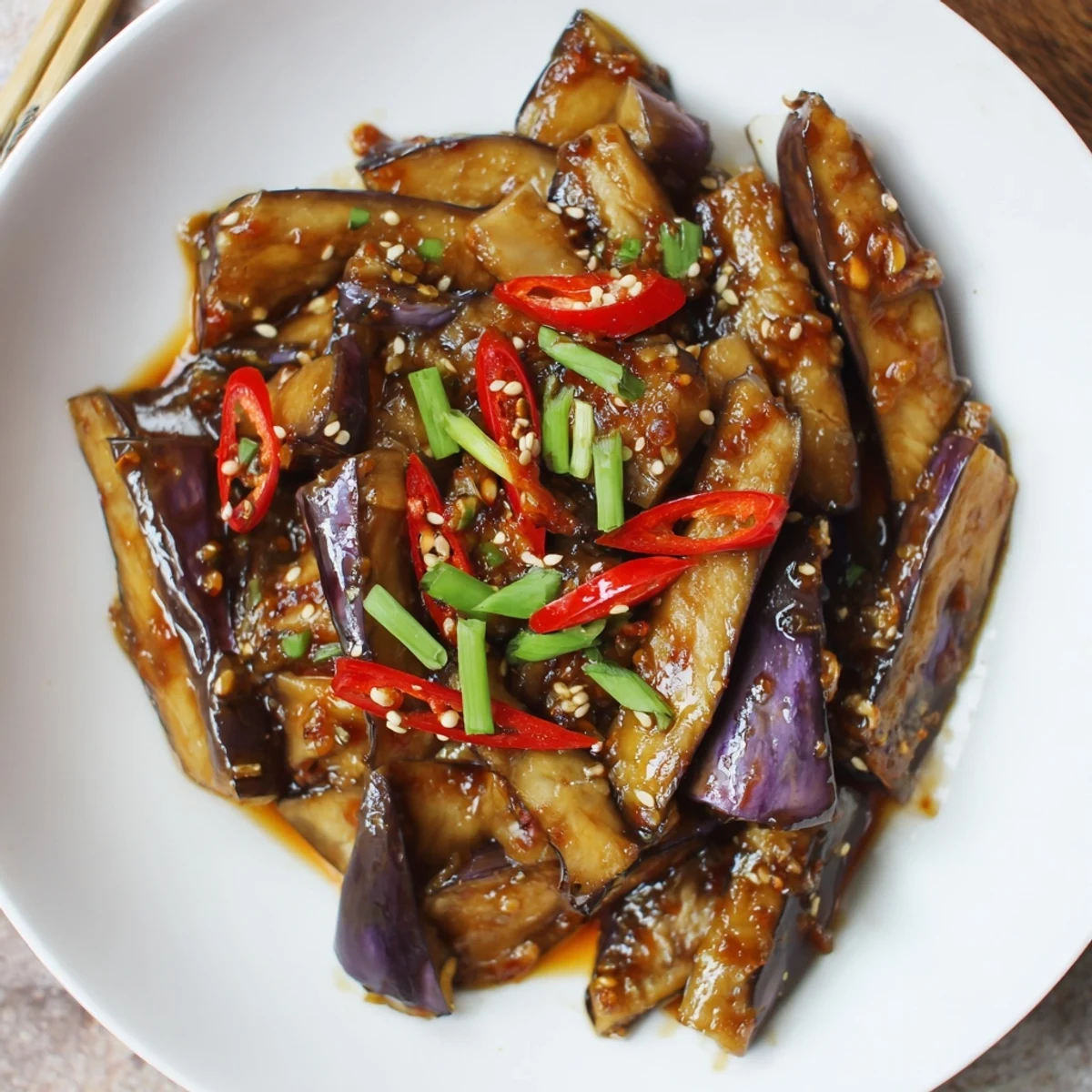
 Save
Save Start by salting thick aubergine batons to draw out excess moisture, then rinse and pat dry. Fry in hot oil until golden and soft, drain and reserve a little oil. Stir-fry ginger, garlic and optional chili, add doubanjiang to bloom its aroma, return aubergine and add soy, dark soy, rice vinegar, sugar and stock. Simmer until meltingly tender, thicken with a cornstarch slurry, finish with sesame oil and sliced spring onions.
Steam swirled up as I tossed aubergines into the wok and listened for that signature sizzle. There’s something almost theatrical about making Sichuan Style Braised Aubergines—the way the chili and garlic scent the air, the speckled aubergine staining under fiery sauce. Once, I hurriedly reached for a napkin just to inhale that aroma a few moments longer. Even on busy weeknights, this dish turns the kitchen into a little Sichuan hideaway.
The first time I made this for friends, we couldn’t stop talking about how the sauce rivaled anything we’d eaten out. My roommate laughed at how seriously I guarded the last morsels, nearly juking forks at the table. It was one of those rare meals where silence means everyone’s focused on savoring every bite. By the end, our plates looked like they’d been licked clean.
Ingredients
- Aubergines (eggplants): They drink up the bold flavors and become wonderfully creamy—make sure to salt and dry them for the best texture.
- Spring onions: Bright, grassy crunch that perks up each bite; thin slicing is key for a gentle pop, not overpowering bite.
- Garlic: Four cloves sound like a lot, but once it hits the oil, it perfumes the whole dish in the best way.
- Ginger: Use a sharp knife and go for a fine chop—this way, it almost melts into the sauce rather than standing out.
- Red chili (optional): Adds color and customizable heat; I use it when I want an extra punch of spice.
- Doubanjiang: This chile-bean paste is the heart of the dish, so try to find the real thing (but don’t sweat it if you swap).
- Soy sauce & dark soy sauce: The duo adds depth—dark soy colors and regular soy seasons.
- Rice vinegar: Just a splash brings a necessary bright tang to balance the richness.
- Sugar: See it as flavor glue—connects the salty, tangy, spicy elements beautifully.
- Vegetable stock or water: Stock makes the sauce richer, but water works in a pinch.
- Vegetable oil: Essential for both softening and coloring the aubergines; don’t skimp.
- Sesame oil: Just a drizzle at the end lifts everything with nutty warmth.
- Salt: Season thoughtfully, especially since some sauces are already salty.
- Cornstarch: Mixing this with water ensures your sauce gets luxuriously thick instead of runny.
Instructions
- Prep the aubergines:
- Scatter salt over the aubergine batons and let them rest while you prep the other ingredients—it helps them stay buttery, not soggy.
- Rinse and dry:
- After their little salt spa, rinse well and pat dry so you don’t end up with an oil-splattered stove.
- Golden fry:
- In a wok shimmering with oil, tumble in the aubergines—watch for golden edges and a slight shrivel, then scoop them out to drain.
- Sizzle aromatics:
- With just a touch of oil left, toss in ginger, garlic, and chili so they burst with color and fragrance (breathe it in!).
- Doubanjiang magic:
- Add the spicy bean paste and stir quickly until you see the oil tint fiery red—that’s your sign of flavor unlocked.
- Bring it together:
- Slide the aubergines back in and pour over soy sauces, vinegar, sugar, and stock—gently turn everything until slicked in sauce, keeping the pieces fairly whole.
- Simmer soft:
- Cover the pan and let the mixture bubble quietly so the aubergines get meltingly tender and soak in all those lovely flavors.
- Thicken things up:
- Stir in your cornstarch slurry and watch the sauce transform into a glossy, clingy glaze in under a minute.
- Finish and serve:
- A swirl of sesame oil and a confetti of spring onions finish the dish—serve up while piping hot over fluffy rice.
 Save
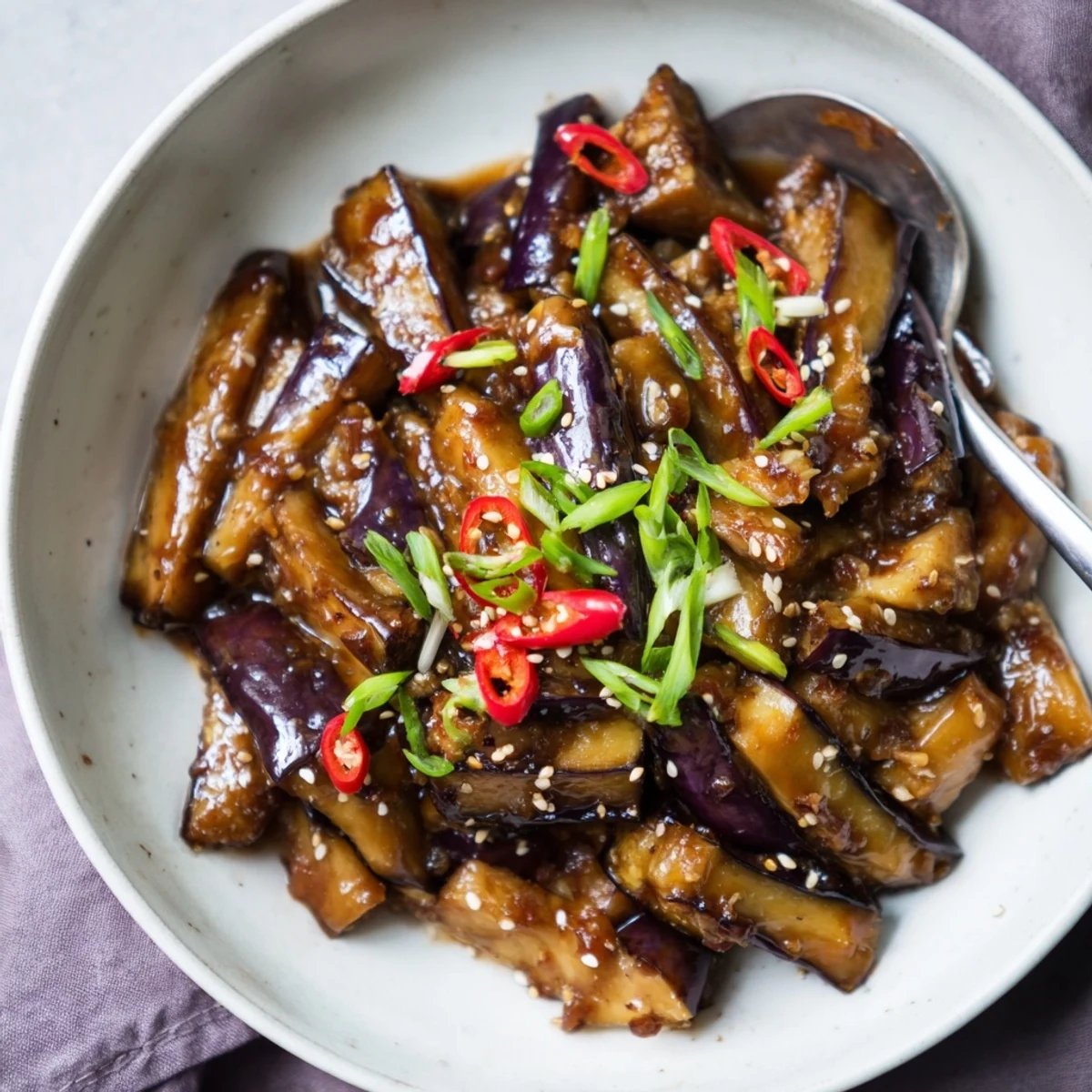
Save One evening while cooking, the doorbell rang and my chaotic kitchen nearly doubled as a dinner party venue before I was ready. Yet, once everyone tasted the velvety, glossy aubergines spooned atop bowls of steaming rice, the noise faded into satisfied hums and the dish became the clear centerpiece of the night.
Rethinking Spice Levels
Sometimes the best version depends on the crowd—if you’re cooking for heat seekers, don’t hesitate to toss in Sichuan peppercorns or more chili. When the table leans mild, scale it back and trust the doubanjiang alone brings depth. Adjust as you go, since spice tolerance is always a moving target.
Making It Ahead
I’ve found this recipe plays well as leftovers; a night in the fridge lets the flavors deepen. Just reheat gently, adding a dash of water if needed to loosen the sauce. It’s even better on day two—a lucky accident I discovered when I made too much during a friend's visit.
Kitchen Swaps, Shortcuts, and Surprises
For a crunch factor, scatter toasted peanuts or cashews on top just before serving. Running low on doubanjiang? Try chili garlic sauce—it won’t taste the same, but you’ll get a solid kick. Short on aubergines, I once filled the gap with some zucchini and was surprised by how nicely it turned out.
- If the sauce is too salty, add a little extra sugar and vinegar to rebalance it.
- Always taste before garnishing, to adjust heat, salt, and tang at the end.
- Keep plenty of napkins nearby—this one’s saucy and satisfying.
 Save
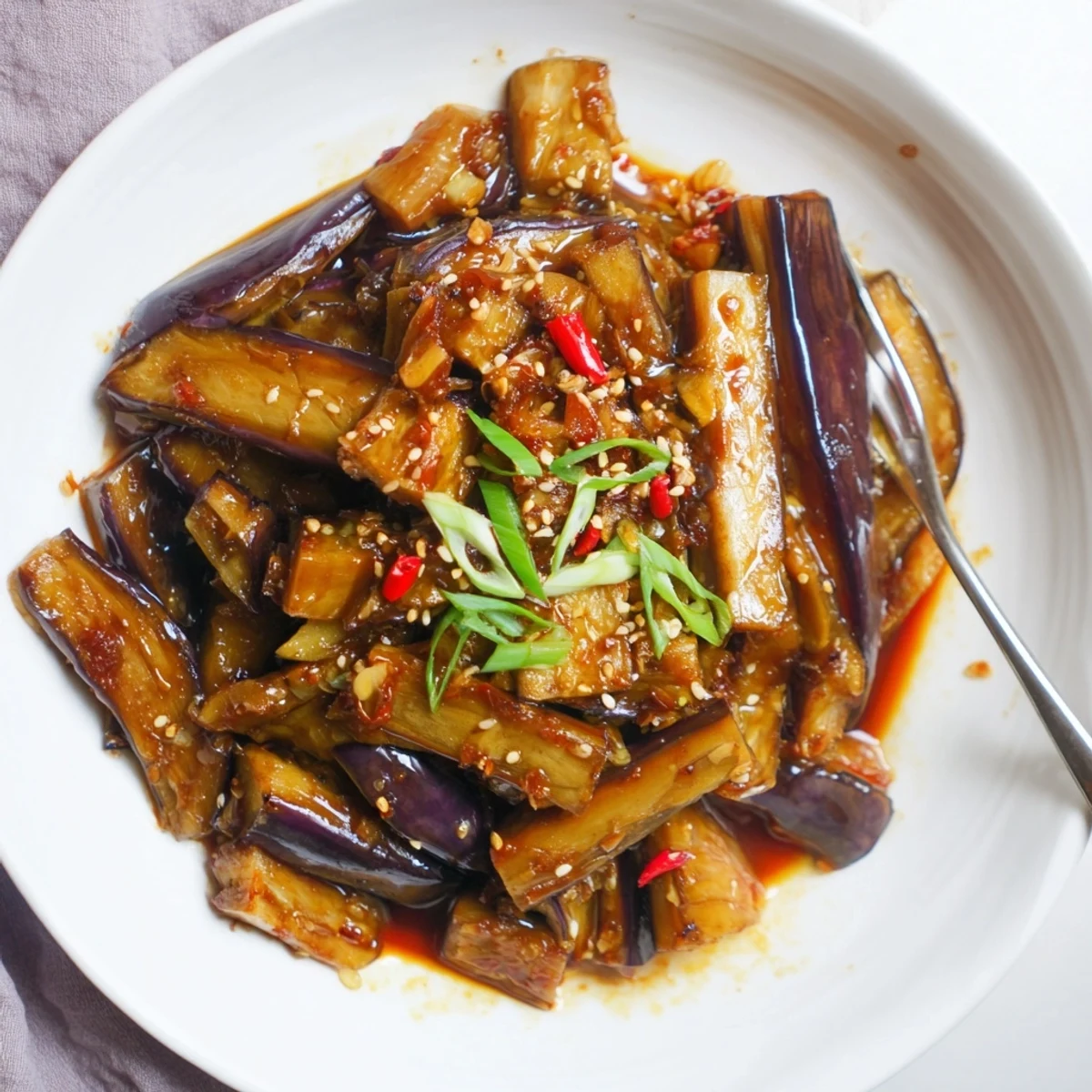
Save Every time I make this, it reminds me just how wonderfully satisfying simple ingredients can be when treated well. Here’s to memorable meals and shared flavors, one bowl at a time.
Recipe FAQs
- → How can I prevent the aubergine from absorbing too much oil?
-
Salt the cut aubergine and let it sit for 10 minutes to draw out moisture, then rinse and pat dry. Fry in a hot pan in batches so pieces sear quickly; drain on paper towels and wipe excess oil from the pan before adding aromatics.
- → Is there an oven method if I prefer not to fry?
-
Yes. Toss aubergine batons with a little oil and roast at 220°C/425°F until golden and tender, turning once. Add them to the sauce and simmer briefly so they absorb the flavors.
- → What can I use if doubanjiang is unavailable?
-
Use chili garlic sauce combined with a small spoon of miso or fermented bean paste to add depth, or a hoisin-and-chili mix as a milder substitute; the flavor will vary but retain umami heat.
- → How do I control the heat and numbing sensation?
-
Adjust fresh chili slices for straightforward heat. For the characteristic numbing bite, toast and lightly crush Sichuan peppercorns and add with the aromatics—use sparingly until you reach the desired tingle.
- → What’s the best way to thicken the sauce without lumps?
-
Mix cornstarch with cold water to form a smooth slurry, then stir it into the simmering sauce off the direct heat and cook for 30–60 seconds until glossy and thickened to coat the aubergine.
- → What should I serve alongside for a complete meal?
-
Steamed jasmine rice or simple noodles are ideal to soak up the sauce; add a crisp green vegetable or quick stir-fried greens for balance and texture contrast.