
 Save
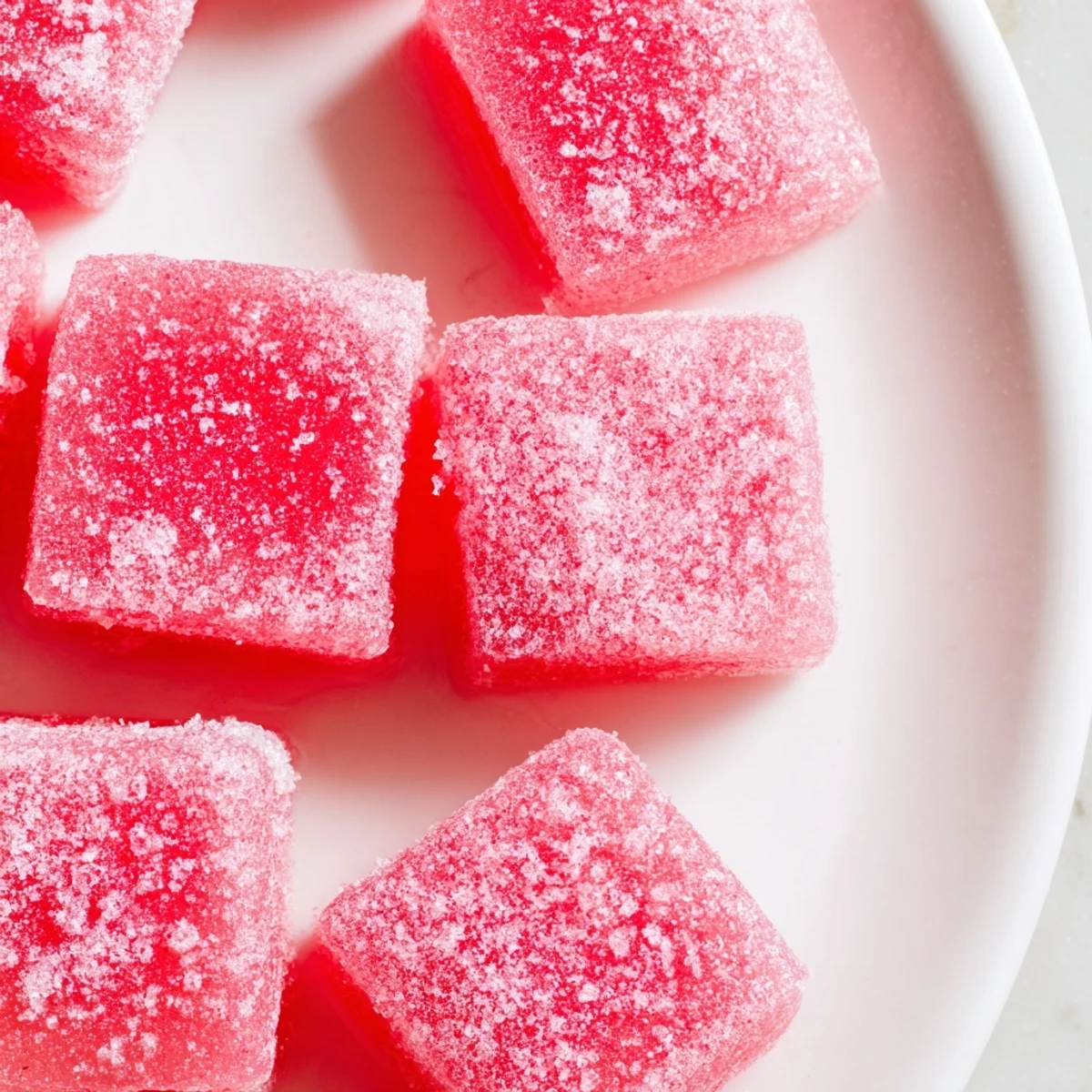
Save Create irresistible chewy candies featuring fresh watermelon flavor balanced with a tangy sugar coating. These homemade fruit chews combine pureed watermelon with gelatin for a soft, bouncy texture that melts in your mouth. The finishing touch—a mixture of granulated sugar and citric acid—delivers that classic sweet and sour combination candy lovers enjoy.
Perfect for parties, holiday gifts, or afternoon treats, these colorful chews capture summer vibes in every bite. The process involves blooming gelatin in fruit juice, heating until dissolved, then setting overnight before cutting and coating. You can easily swap watermelon for other fruit purees to create variety.
The first time I attempted homemade candy, my kitchen ended up smelling like a failed science experiment. These watermelon chews were my redemption story, turning summer fruit into something that keeps a little piece of July in your pantry year round. My niece now requests them for every family gathering, and her face lights up when she sees that familiar pink container coming out of the fridge.
Last summer, I made three batches back to back because my friend kept eating them before they even fully set. Now I double the recipe whenever anyone comes over, because watching someone discover that first tangy bite has become one of my favorite kitchen moments. The way the sour coating hits first, then that watermelon sweetness comes through, it is like a little flavor journey.
Ingredients
- Seedless watermelon puree: Fresh watermelon gives you that authentic fruity flavor, but make sure to strain it well or your chews will have a strange stringy texture
- Unflavored gelatin powder: This is what transforms fruit juice into candy, and letting it bloom properly is the difference between smooth and grainy
- Granulated sugar: Do not reduce this amount, sugar is not just for sweetness here but also helps achieve the right chewy consistency
- Citric acid powder: This is the secret ingredient that gives these their addictive sour punch, usually found in the canning aisle
- Light corn syrup: Prevents sugar crystals from forming and keeps the chews soft and chewy instead of hard like glass
- Lemon juice: Brightens the watermelon flavor and helps balance all that sweetness
Instructions
- Prep your pan like you mean it:
- Parchment paper is non negotiable here, and trust me, a light coating of cooking spray will save you from a stuck on mess later
- Bloom the gelatin properly:
- Mix your watermelon puree with corn syrup and lemon juice, then sprinkle the gelatin on top and walk away for five full minutes
- Melt everything gently:
- Warm the mixture over medium low heat, stirring constantly until everything dissolves, but whatever you do, do not let it boil
- Patience is your friend now:
- Pour that gorgeous pink liquid into your prepared pan, smooth the top, and let it cool for 30 minutes before it goes into the fridge
- The waiting game:
- Refrigerate for at least two hours, and yes, you can check it by gently pressing the center with your finger
- Create the magic coating:
- Whisk together your sugar and citric acid in a shallow bowl until they are completely combined
- Cut and coat like a pro:
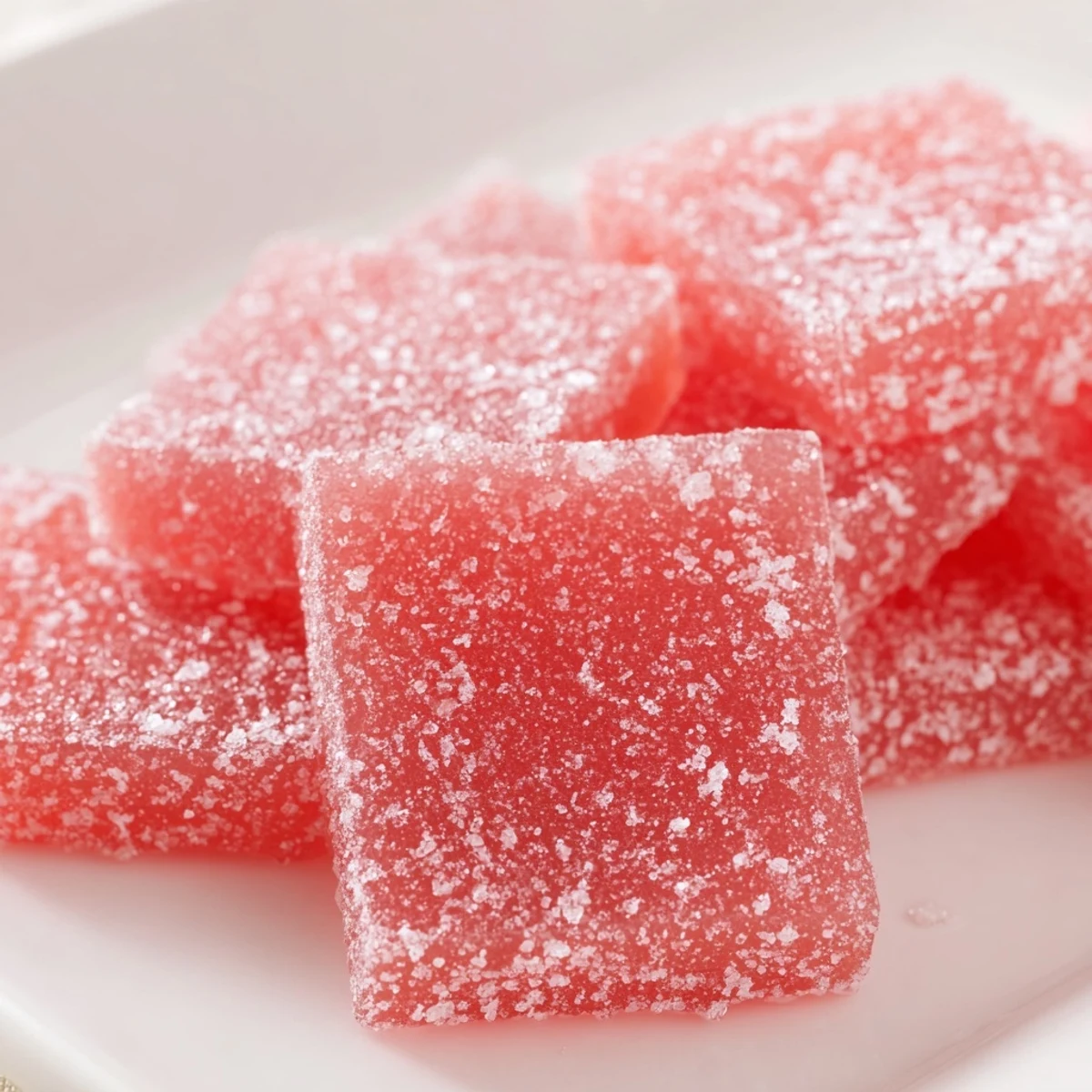
- Use a sharp knife to cut squares, then toss each piece in your sour sugar mixture until completely coated
 Save
Save My dad pretended he did not like fruity candy until he tried one of these and proceeded to eat half the batch in one sitting. Now he asks for them specifically when he visits, claiming they help with his sweet tooth but I think he just loves that first hit of sour. Something about handmade candy makes people feel special, like you put extra care into something most people only buy from a store.
Getting The Texture Right
The difference between perfect chews and a failed batch comes down to temperature control and patience. I have learned that rushing the cooling step gives you weirdly gummy centers, while cutting them too cold makes them crack instead of slice clean. Let the pan sit on the counter for about ten minutes before cutting, and use a knife dipped in hot water between every few cuts.
Flavor Variations I Love
While watermelon is my go to, I have experimented with strawberry mango and even peach when they are in season. The trick is balancing the fruit puree with enough acid and sweetness, because fresh fruit varies so much in natural tartness. Citric acid is your best friend for that candy store sour punch that fresh fruit sometimes lacks.
Storage Secrets
These develop a strange skin if left uncovered too long, so layer them between wax paper in an airtight container. I have found they keep their perfect texture for about a week before slowly getting softer, though they rarely last that long in my house.
- Store away from direct sunlight or the coating will get sticky and weird
- Never store these in the same container as other candies or they will trade textures
- A piece of bread in the container can help if they start getting too hard
 Save
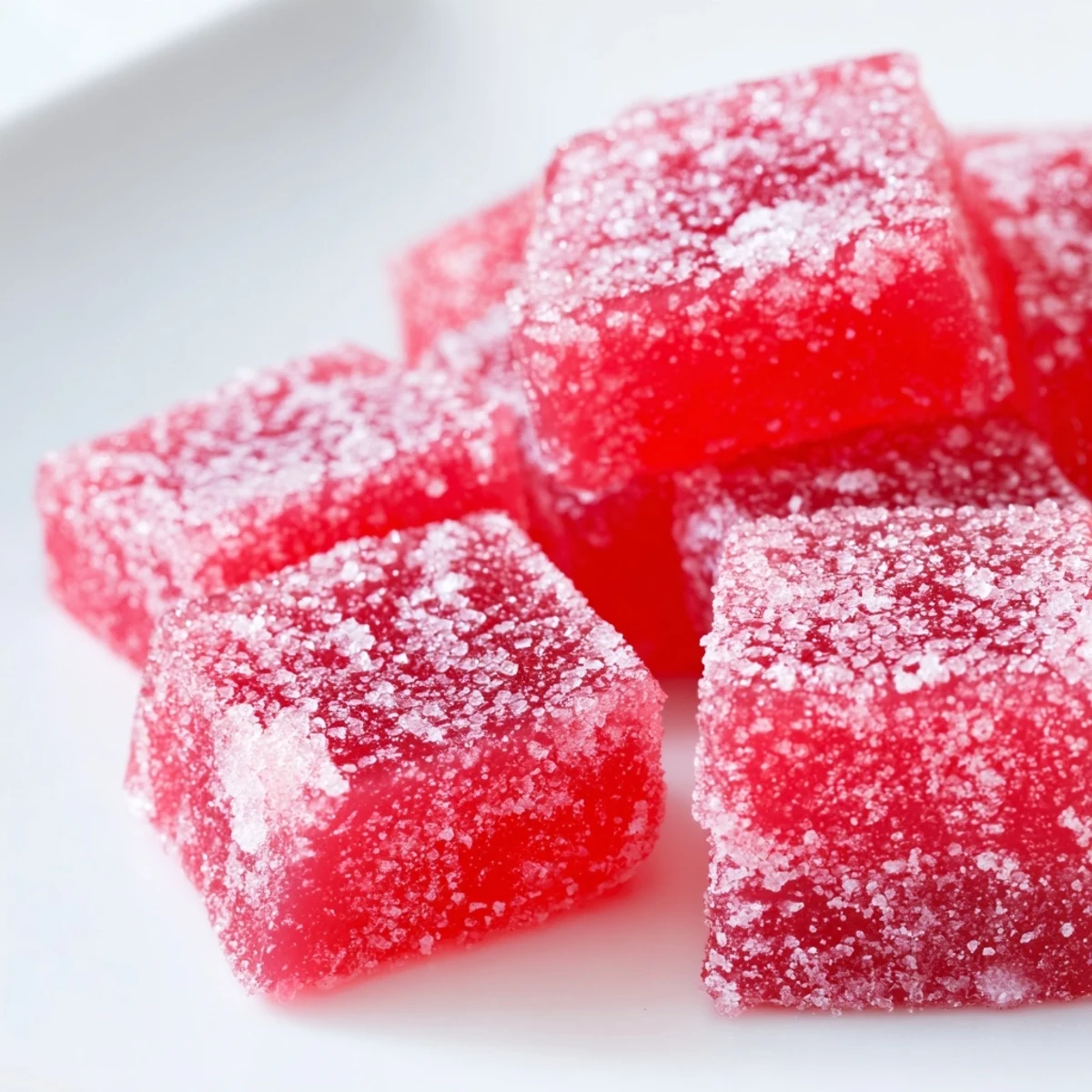
Save Every time I make these, I am transported back to that first successful batch when I realized candy making was not some mysterious magic reserved for professionals. Now they are my go to homemade gift, because nothing says I made this with my hands quite like a little box of perfect sour chews.
Recipe FAQs
- → How long do these watermelon chews stay fresh?
-
These fruit chews maintain ideal texture for about one week when stored properly. Keep them in an airtight container with wax paper between layers to prevent sticking. After a week, they may become overly sticky or lose their chewy consistency.
- → Can I make these without gelatin?
-
Gelatin provides the characteristic chewy texture. For vegetarian alternatives, agar-agar can be substituted, though the texture will be slightly firmer and less stretchy. Use about half the amount of agar-agar compared to gelatin and follow package instructions for blooming.
- → What's the purpose of citric acid in the coating?
-
Citric acid creates the signature tangy flavor that balances the sweet sugar coating. You can find it in the canning aisle of most grocery stores or online. Adjust the amount to suit your taste—more citric acid yields a more intense sour kick.
- → Can I use frozen watermelon for this recipe?
-
Frozen watermelon works perfectly since it will be pureed anyway. Thaw it completely before blending, and strain well to remove excess water. The resulting puree might be slightly more diluted, so you may need to reduce the amount slightly or cook a minute longer to concentrate the flavor.
- → Why is corn syrup used in these chews?
-
Corn syrup helps prevent sugar crystallization and contributes to the smooth, chewy texture. It also adds sweetness without overpowering the watermelon flavor. Light corn syrup is preferred as it has a neutral taste that won't compete with the fruit.