
 Save
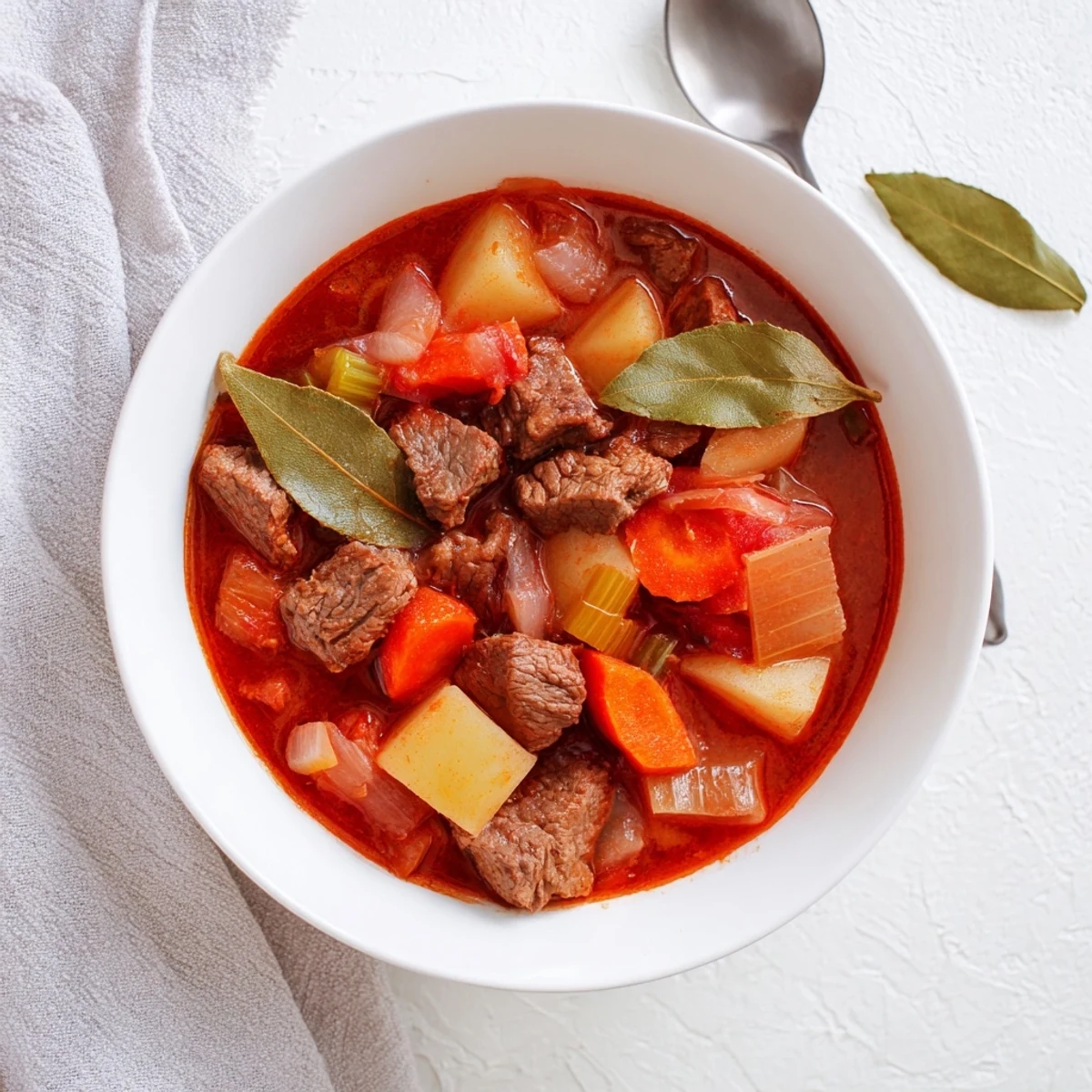
Save This classic Italian braised beef dish transforms tough chuck into meltingly tender meat through slow cooking. The combination of red wine, tomatoes, and aromatic herbs creates a deeply flavorful sauce that coats every piece of beef and vegetable. Perfect for Sunday dinners, this hearty dish develops even richer flavors when made ahead and reheated the next day.
The rain was hammering against the kitchen window that November evening when I threw together whatever the fridge offered and stumbled into something extraordinary. Spezzatino di manzo was never on my radar until a neighbor in my old apartment building, an elderly woman named Signora Luciana, knocked on my door with a steaming bowl and a look that said she pitied my bachelor cooking. One taste and I understood why this dish has kept Italian families anchored to their dinner tables for generations. The beef was so tender it barely held together, swimming in a sauce that tasted like it had been simmering for a week.
I made this for my brother the night he moved into his first apartment, a place with barely any furniture but a surprisingly decent stove. We sat on overturned crates eating straight from the pot because neither of us had thought to bring bowls. He called me three days later asking for the recipe, and now he makes it every single time someone new comes over for dinner.
Ingredients
- Beef chuck (800 g, cubed): Chuck is the only cut worth your time here because the fat and connective tissue break down into pure silk over a long braise.
- Onions (2 medium, finely chopped): They form the sweet foundation of the entire sauce so do not rush this step.
- Carrots (2, sliced): They add a subtle sweetness that balances the wine and keeps the dish from feeling one dimensional.
- Celery (2 stalks, sliced): Often overlooked but celery gives the broth a savory depth that you will miss if you skip it.
- Potatoes (2 medium, peeled and cubed): They thicken the stew naturally and soak up all those concentrated juices like little sponges.
- Garlic (2 cloves, minced): Fresh garlic only because the jarred stuff loses the sharp sweetness that makes a difference here.
- Dry red wine (250 ml): Use something you would actually drink because a bad wine will haunt every bite of this stew.
- Beef stock (500 ml): Low sodium gives you more control over the final seasoning.
- Tomato paste (2 tbsp): This small amount adds an umami backbone that makes the sauce taste like it cooked twice as long.
- Olive oil (2 tbsp): A good fruity olive oil makes the browning step worthwhile.
- Bay leaves (2): Do not forget to remove them before serving because biting into a bay leaf is an unpleasant surprise nobody deserves.
- Fresh rosemary (1 sprig): Fresh is non negotiable here because dried rosemary turns rough and piney in a long braise.
- Dried thyme (1 tsp): It quietly works in the background tying all the herbs together.
- Salt and black pepper: Season in stages throughout cooking and taste at the end.
Instructions
- Get that pot screaming hot:
- Pour the olive oil into a heavy bottomed pot over medium high heat and let it shimmer until it almost starts to smoke. Work in batches when browning the beef because crowding the pan will steam the meat instead of searing it, and that deep brown crust is where half the flavor lives.
- Wake up the vegetables:
- Drop the heat to medium and toss in the onions, carrots, and celery, scraping up every last brown bit stuck to the bottom because those bits are concentrated flavor. Stir them around for about five minutes until the onions go soft and translucent.
- Add the aromatics:
- Stir in the garlic and tomato paste and let them cook for two minutes until your kitchen smells like an Italian grandmother just showed up to help. The paste will darken slightly and that color change means the sugars are caramelizing.
- Let the wine work its magic:
- Pour in the red wine and scrape the pot with your wooden spoon like you are trying to clean it. Let the wine reduce by half which takes about five minutes and concentrates all those flavors into something deeply savory.
- Bring it all together:
- Return the beef to the pot along with the potatoes, stock, bay leaves, rosemary, thyme, and a generous pinch of salt and pepper. Give everything a gentle stir and bring it to a lazy simmer.
- Let time do the heavy lifting:
- Cover the pot and turn the heat to low, then walk away for two hours, stirring every now and then just to make sure nothing sticks. The beef is ready when it yields to the press of a spoon like it has given up all resistance.
- Finish and taste:
- Fish out the bay leaves and the rosemary sprig, then taste the sauce and adjust the salt and pepper until it makes you close your eyes. Serve it in deep bowls over polenta or with crusty bread for dipping.
 Save
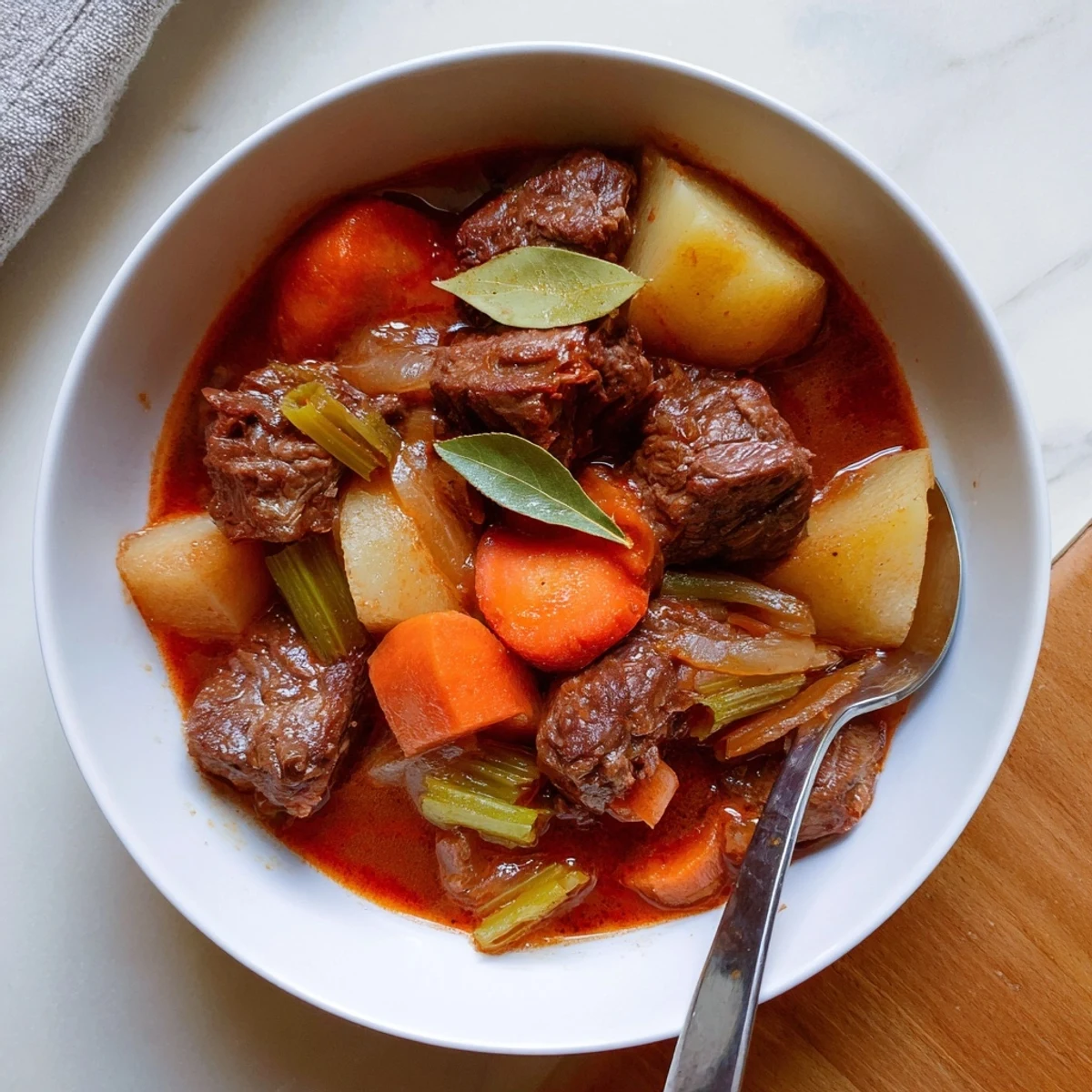
Save There is something about a pot of spezzatino cooling on the counter that makes a kitchen feel like the center of the world. I have watched friends who barely know each other lean over that pot with spoons and fall into conversation that lasts for hours.
Why This Stew Tastes Better the Next Day
The sauce needs time to settle and the flavors continue to develop as it sits in the fridge overnight. The gelatin from the beef sets everything into a rich almost silky texture that reheats beautifully and tastes deeper than the day before.
What to Serve Alongside
Creamy polenta is the classic pairing because it soaks up the braising liquid like nothing else and adds a comforting contrast to the tender chunks of meat. A hunk of rustic bread works just as well if you want something simpler and crunchier.
Storing and Reheating
Keep leftovers in an airtight container in the fridge for up to three days and reheat gently on the stove with a splash of stock to loosen the sauce. This stew also freezes well for up to three months if you want to stash a batch for a cold night when cooking feels impossible.
- Let the stew cool completely before freezing to prevent ice crystals from forming.
- Label the container with the date because even great stew gets lost in the freezer.
- Reheat on low heat and stir occasionally to keep the sauce smooth and the potatoes intact.
 Save
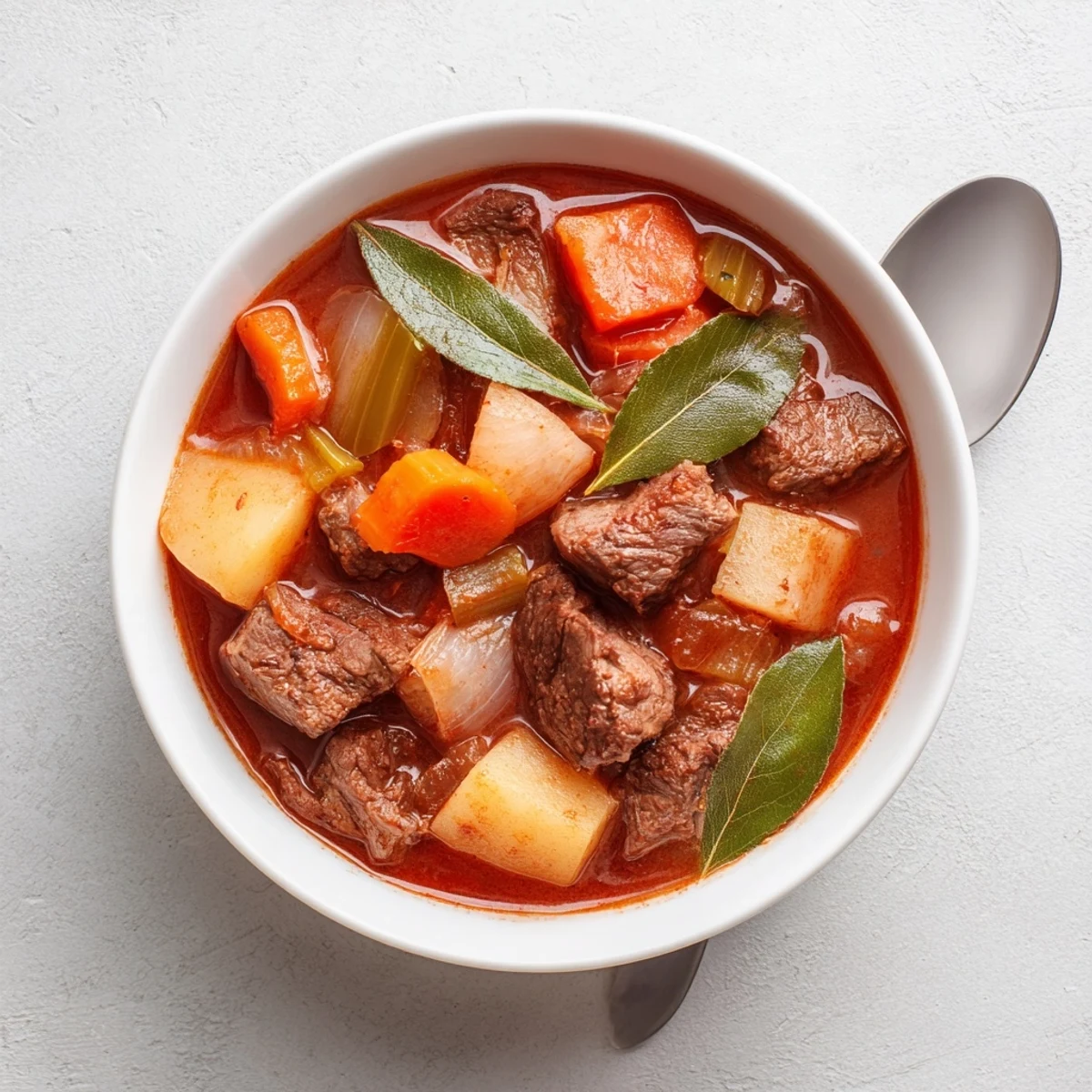
Save Some dishes feed you and some dishes take care of you, and this one firmly belongs in the second category. Make it once and it will become the thing you reach for whenever someone needs a bowl of something warm and honest.
Recipe FAQs
- → What cut of beef works best for this dish?
-
Chuck is ideal because it becomes tender during long braising. Shoulder or round can also work well.
- → Can I make this in a slow cooker?
-
Yes. Brown the meat first, then transfer all ingredients to the slow cooker and cook on low for 7-8 hours.
- → How long does this keep in the refrigerator?
-
It will keep for 3-4 days refrigerated and actually tastes better the next day as flavors continue to develop.
- → What wine should I use?
-
A dry Italian red like Chianti, Barbera, or Sangiovese works best. Use something you would enjoy drinking.
- → Can I freeze this?
-
Yes, it freezes well for up to 3 months. Cool completely before transferring to airtight containers.