
 Save
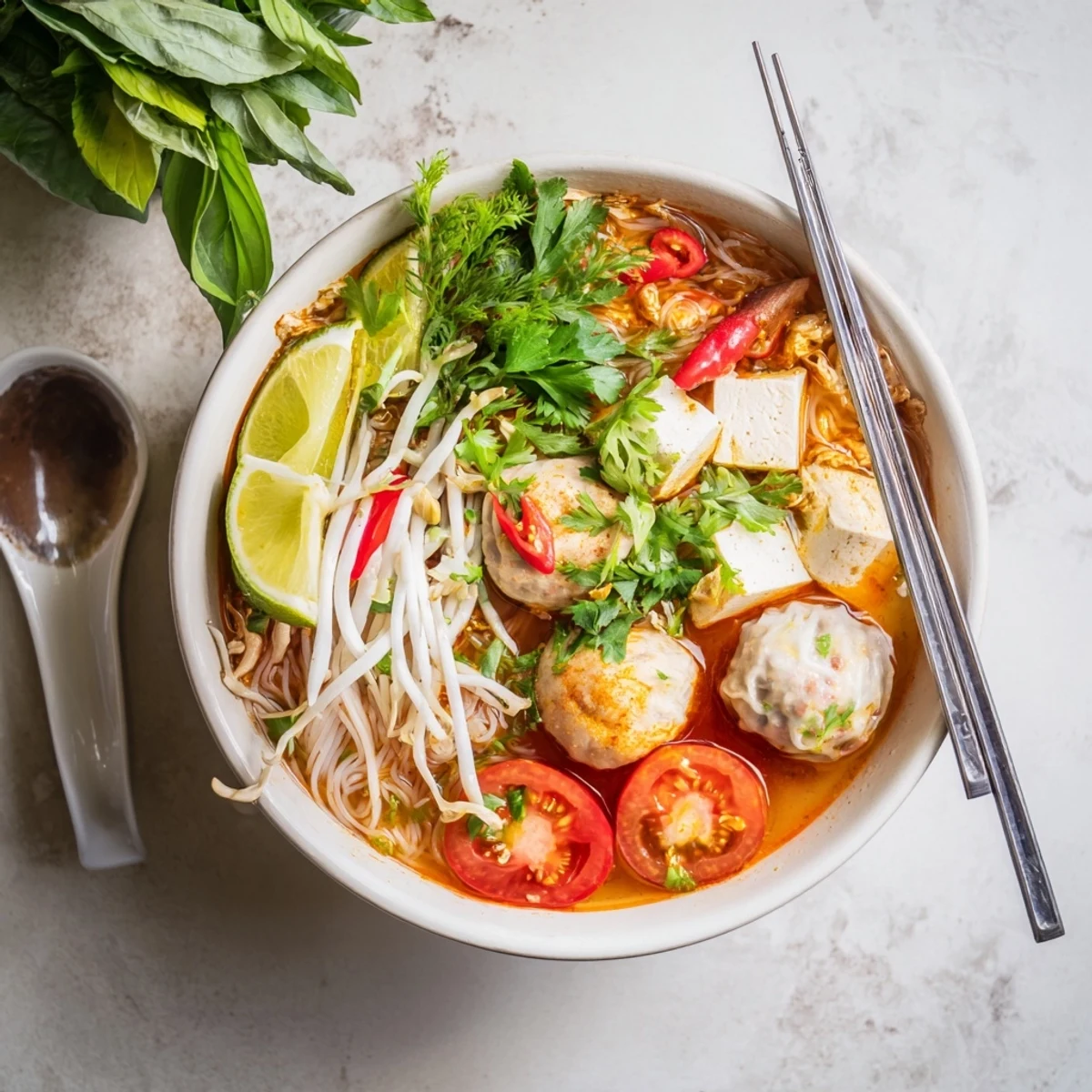
Save Bun Rieu is a beloved Vietnamese soup combining sweet crab meat, tangy tomatoes, and silky tofu in a fragrant broth. The crab mixture creates delicate floating clouds that soak up the savory, aromatic liquid. Served over springy rice vermicelli and topped with fresh herbs like perilla and Vietnamese coriander, this dish balances sweet, sour, and savory flavors perfectly. The vibrant red broth gets its color from annatto oil, while lime wedges and chili peppers let diners adjust the seasoning to their taste.
The steam rising from my aunt Hongs kitchen carried this unmistakable tangy sweetness that made everyone drop whatever they were doing and drift toward the stove. She would stand over her giant pot, narrating each step like she was teaching a masterclass, her wooden ladle clinking against the rim as she checked the broth. I learned that day the magic of annatto oil turning everything a brilliant sunset red, and how the crab clouds should float like tiny dumplings, never dense or rubbery.
Last winter, when my roommate came down with a terrible cold, I made a massive pot of this soup. She sat wrapped in a blanket on the couch, spoon in hand, declaring between sniffles that the broth was clearing her sinuses better than any medicine. We ate nothing but bun rieu for three days straight, and by the end, she was asking if we could keep the soup in permanent rotation.
Ingredients
- Chicken or pork broth: Homemade broth adds incredible depth, but a good quality store bought one works perfectly fine
- Crab meat: Fresh lump crab is ideal but canned crab in water absolutely works, just drain it well
- Tomatoes: They need to be fully ripe and soft, as they break down into the broth creating that signature tangy base
- Firm tofu: Extra firm holds its shape better in the hot broth without falling apart
- Rice vermicelli: Thin noodles work best here, and rinsing them after cooking keeps them from clumping together
- Annatto oil: This isnt just for color, it adds a subtle earthy flavor that makes the broth taste authentic
- Fresh herbs: The combination of perilla, Vietnamese coriander, and cilantro is what makes each bite sing
Instructions
- Build your broth foundation:
- Let the onion and garlic simmer in the broth long enough to infuse their aromatic sweetness into every drop, then strain them out so you have a clean base.
- Mix the cloud mixture:
- Whisk everything until the eggs are fully incorporated but dont overmix, or the clouds will be tough instead of tender.
- Create floating clouds:
- Drop spoonfuls into gently simmering broth and resist the urge to stir, letting them cook undisturbed until they float to the surface like proud little dumplings.
- Sauté the base:
- Cook the tomatoes until they start breaking down and release their juices into the oil, creating that red tinted foundation that makes the broth so distinctive.
- Bring it all together:
- Let everything simmer together gently for those final minutes so the tofu absorbs the tomato essence and the broth thickens slightly.
- Prep the noodles:
- Cook and immediately rinse them under cold water, tossing with a little oil so they stay separate until youre ready to assemble bowls.
- Assemble with love:
- Ladle the hot soup over noodles first, then let everyone pile on their own herbs, sprouts, and extras at the table.
 Save
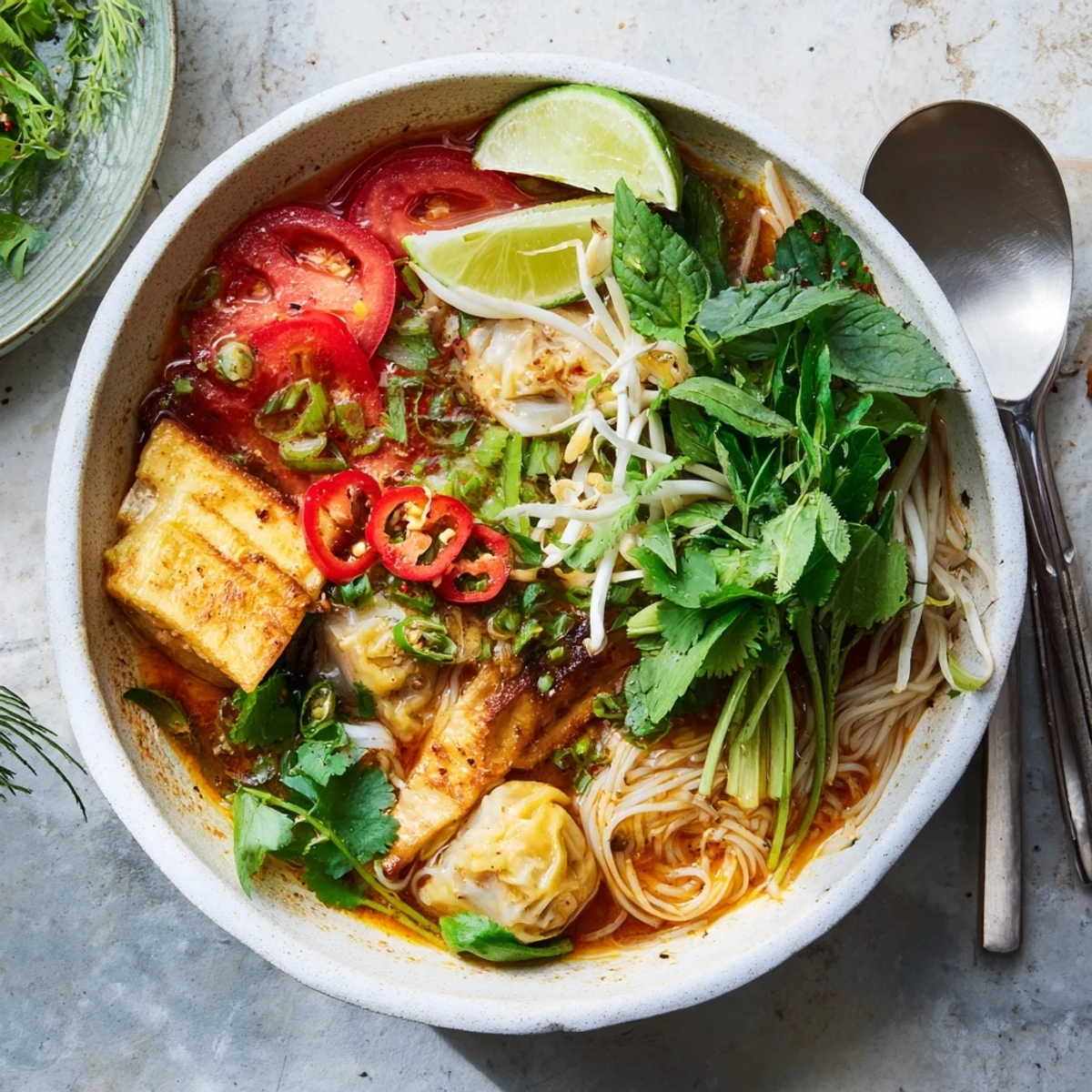
Save My friend Linh took one sip of this at my dinner party and immediately demanded the recipe, saying it tasted exactly like the street food she missed from Hanoi. We spent the rest of the night discussing the proper way to arrange garnishes in the bowl, with her insisting the herbs go on top while I argued they should be tucked underneath the noodles.
The Art of Broth Balance
Finding that sweet spot between tangy tomatoes, salty fish sauce, and subtle sweetness takes practice. I always taste at the very end, adjusting with a squeeze of fresh lime or an extra pinch of sugar. The broth should make you pucker slightly while still feeling deeply savory and comforting.
Making It Ahead
The broth actually tastes better the next day after the flavors have had time to meld together in the refrigerator. I make a batch on Sunday and keep it separate from the noodles, reheating portions throughout the week for quick lunches that feel special every single time.
Perfecting Your Garnish Game
The toppings are where you can really make this recipe your own, adjusting each element to suit your taste preferences.
- Set up a garnish station so everyone can customize their own bowl exactly how they like it
- Shrimp paste is intense but traditional, start with a tiny dab and add more if you love that funky depth
- Fried shallots add the most incredible crunch and sweetness that ties everything together beautifully
 Save
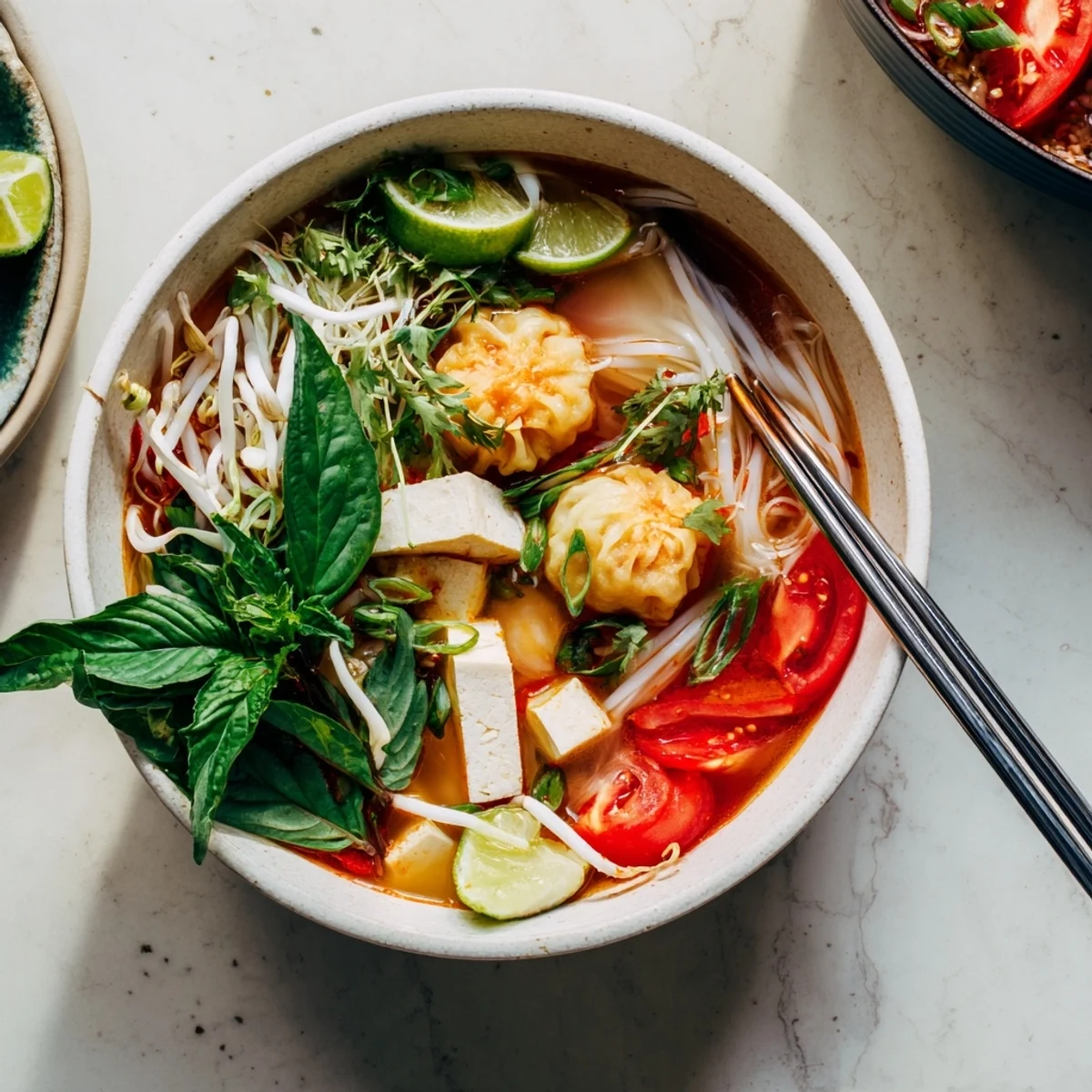
Save There is something so joyful about a bowl of soup that requires you to lean in, slurping noodles and adjusting flavors with each bite. This is the kind of recipe that turns an ordinary Tuesday into something worth remembering.
Recipe FAQs
- → What makes Bun Rieu different from other Vietnamese noodle soups?
-
Bun Rieu features a unique crab and egg mixture that forms floating dumplings in the broth, creating a texture unlike pho or bun bo. The tomato-based broth gives it a tangy, slightly sweet profile that's lighter and more refreshing than heavier beef noodle soups.
- → Can I use imitation crab meat?
-
While fresh lump crab meat provides the best flavor and texture, you can substitute with high-quality canned crab or imitation crab. However, the taste will be less authentic and sweeter. If using imitation crab, reduce the sugar in the broth slightly.
- → What can I substitute for annatto oil?
-
Annatto oil primarily adds color rather than significant flavor. You can omit it entirely, or substitute with a pinch of paprika or turmeric for a similar golden-red hue. Some cooks use a small amount of tomato paste for color enhancement.
- → How do I prevent the crab mixture from falling apart?
-
Drop the crab mixture gently into simmering, not boiling, broth. Let it float undisturbed for 4-5 minutes until set before stirring. The egg proteins need gentle heat to solidify properly without breaking apart.
- → Can I make this soup vegetarian?
-
Yes, substitute crab with mashed tofu or mushrooms mixed with eggs. Use vegetable broth instead of chicken or pork broth. Add seaweed or kelp for umami depth typically provided by seafood. Fish sauce can be replaced with soy sauce or vegetarian fish sauce alternatives.
- → How long does the broth keep in the refrigerator?
-
The broth keeps well for 3-4 days when stored in an airtight container. However, the crab dumplings and tofu are best enjoyed fresh. Store noodles separately and reheat broth gently, adding fresh garnishes when serving.