
 Save
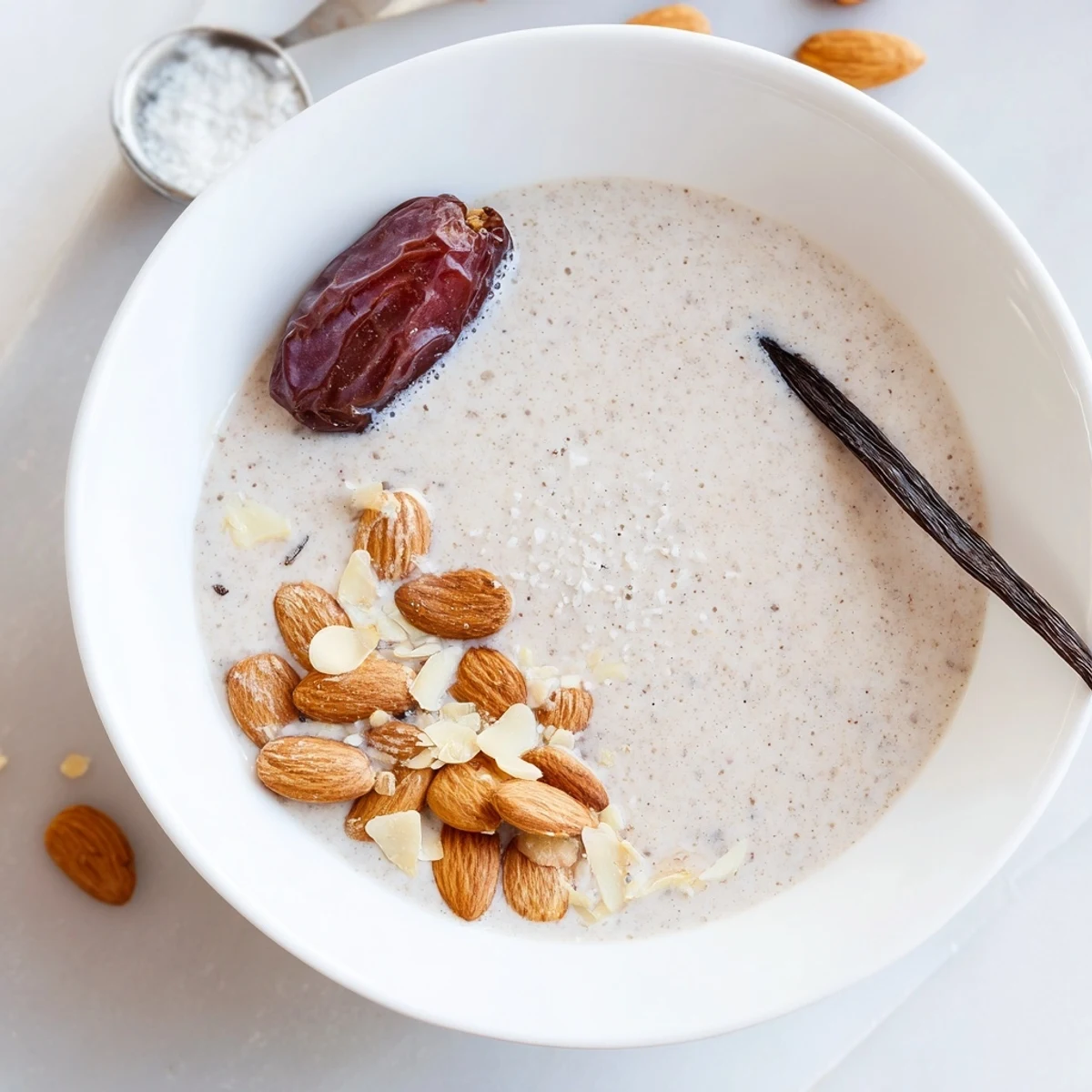
Save Almond milk is made by soaking raw almonds overnight, then blending with filtered water until silky and straining through a nut milk bag or fine cloth. Soak at least 8 hours; blend 1-2 minutes for a smooth texture. Use 1 cup almonds to 4 cups water for a balanced creaminess and yield about 1 liter.
Adjust water for thinner or creamier results, sweeten with dates or vanilla, and refrigerate up to 3-4 days. Reserve the pulp for baking or smoothies to reduce waste.
The hum of my blender at six in the morning has become a sound I genuinely look forward to, mostly because it signals that fresh almond milk is minutes away from making everything in my kitchen taste better. I started making it myself after realizing the store bought versions contained thickeners and stabilizers I could not pronounce. The process is almost meditative, and the result tastes nothing like what comes from a carton. It is richer, sweeter in a subtle way, and impossibly fresh.
My sister visited last autumn and watched me straining almond pulp through a cloth bag at the kitchen counter, laughing at how earnest the whole process looked. She stopped laughing after she poured it over her granola the next morning and asked me to show her how to make it before she flew home.
Ingredients
- Raw almonds (1 cup or 150 g): Use truly raw unsalted almonds, not roasted or blanched, because the natural oils give the milk its body and gentle sweetness.
- Filtered water (4 cups or 1 liter, plus more for soaking): Good water makes good milk, so skip the tap if it tastes chlorinated.
- Dates, pitted (1 to 2, optional): A date or two adds a caramel like sweetness that feels indulgent without being sugary.
- Vanilla extract (1 tsp, optional): A small splash transforms plain almond milk into something that feels like a treat in coffee or over cereal.
- Sea salt (a pinch, optional): Just a tiny amount makes all the other flavors pop in a way that surprises people every time.
Instructions
- Soak the almonds:
- Drop the almonds into a bowl, cover them generously with water, and leave them on the counter for at least eight hours or tucked in the fridge overnight until they look plump and slightly swollen.
- Drain and rinse:
- Empty the soaking water, give the almonds a thorough rinse under cold running water, and watch how their skins have softened and loosened slightly.
- Blend everything:
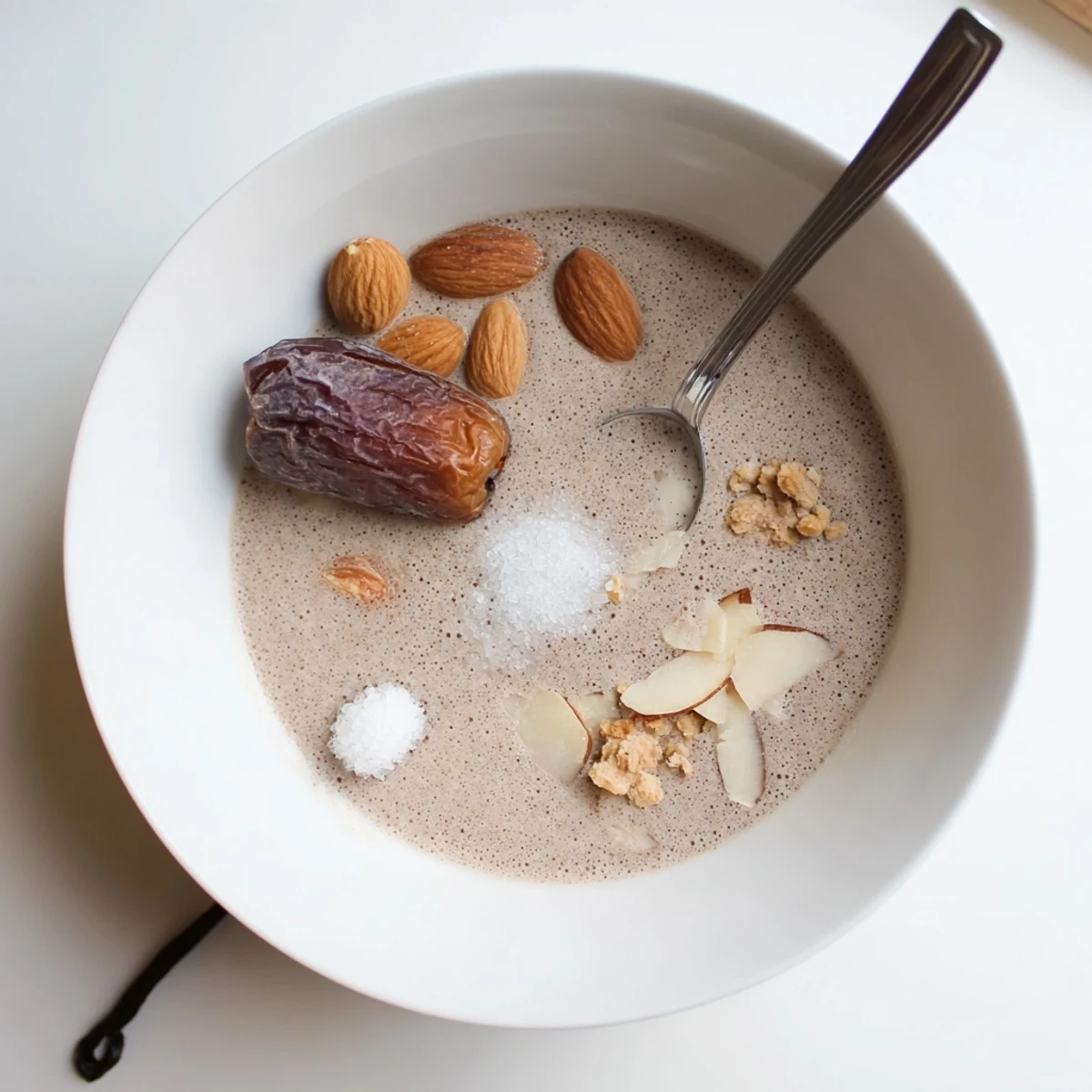
- Pile the rinsed almonds into your blender with four cups of fresh filtered water, then add the dates, vanilla, and salt if you are using them, and blend on high for one to two minutes until the mixture looks completely smooth and creamy white.
- Strain the milk:
- Pour the blended mixture through a nut milk bag or several layers of cheesecloth into a large bowl, then gather the cloth and squeeze firmly with both hands until the pulp inside feels nearly dry.
- Bottle and chill:
- Transfer the strained milk into a clean glass bottle or jar, seal it, and put it in the refrigerator where it will keep beautifully for three to four days, shaking it well before each use since separation is completely natural.
 Save
Save Pouring a cold glass of this milk into my morning coffee while the house is still quiet has become a small ritual that makes the whole day feel more intentional.
Picking the Right Almonds
Not all almonds behave the same way in milk. Fresher almonds from a store with high turnover blend up creamier and yield more flavor than ones that have been sitting on a shelf for months. If your almonds taste flat or have a slightly waxy texture, try finding a different source and you will notice the difference immediately in the final milk.
Adjusting Thickness and Sweetness
The ratio of water to almonds is forgiving and personal. I prefer four cups of water for a consistency close to whole dairy milk, but three cups gives you something luxuriously thick that works beautifully in lattes. Taste the milk before you sweeten it, because really fresh almonds have a natural sweetness that sometimes needs nothing extra at all.
Storing and Using Every Drop
Fresh almond milk separates in the fridge, and that is a sign you made it right, not a flaw. A quick shake brings it back together perfectly every time. Beyond drinking it straight or pouring it over cereal, try freezing any extra in ice cube trays for smoothies.
- Label your bottle with the date so you remember to use it within four days.
- Frozen almond milk cubes blend into smoothies and add creaminess without diluting flavor.
- Always give the bottle a vigorous shake before pouring because the cream rises to the top just like dairy.
 Save
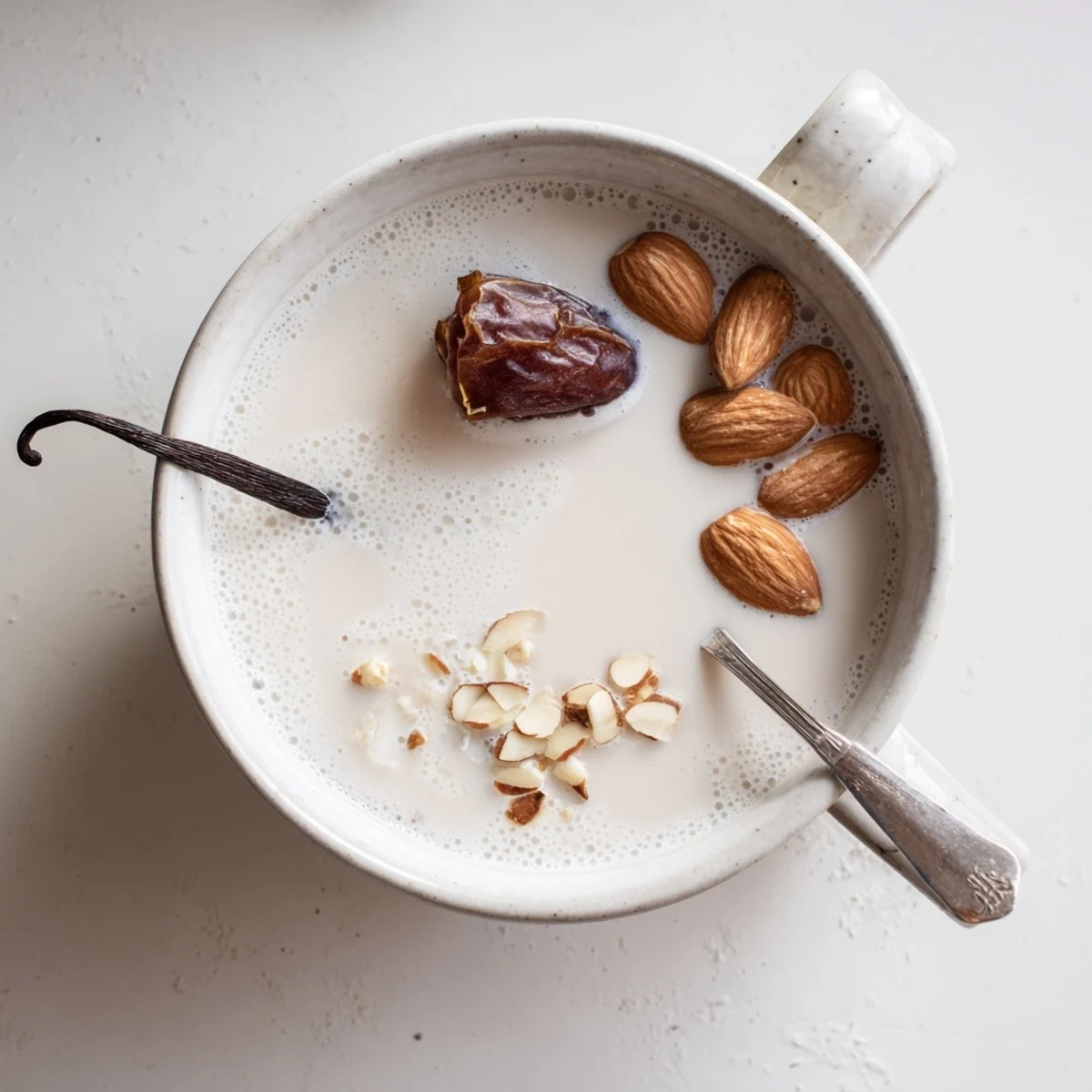
Save Making something so simple from scratch reminds me that the best things in the kitchen often start with patience and the willingness to try. Share a jar with someone you love and watch their face light up.
Recipe FAQs
- → How long should almonds soak?
-
Soak raw almonds at least 8 hours or overnight to soften them fully; this helps achieve a smoother, creamier milk when blended. Shorter soaks yield a slightly grainier texture.
- → How can I make the milk creamier?
-
Use less water relative to almonds (for example 1:3 instead of 1:4) or add a few soaked cashews for extra body. Blending longer also releases more oils and creates a silkier mouthfeel.
- → What’s the best way to strain for a smooth result?
-
Strain through a nut milk bag, double-layered cheesecloth, or a fine mesh sieve. Squeeze the bag or cloth firmly to extract as much liquid as possible for a smooth, velvety milk.
- → How long does homemade almond milk keep?
-
Stored in a sealed bottle in the refrigerator, almond milk stays fresh for about 3–4 days. Shake well before use, as separation is natural.
- → What can I do with the leftover almond pulp?
-
Save the pulp for baking into cookies or crackers, stir into smoothies, or dry and blend it into almond flour. It’s a great way to reduce waste and add texture or nutrition.
- → Are there simple flavoring or sweetening options?
-
Add pitted dates, a splash of vanilla extract, a pinch of sea salt, or a drizzle of maple syrup while blending to enhance flavor without changing texture significantly.