
 Save
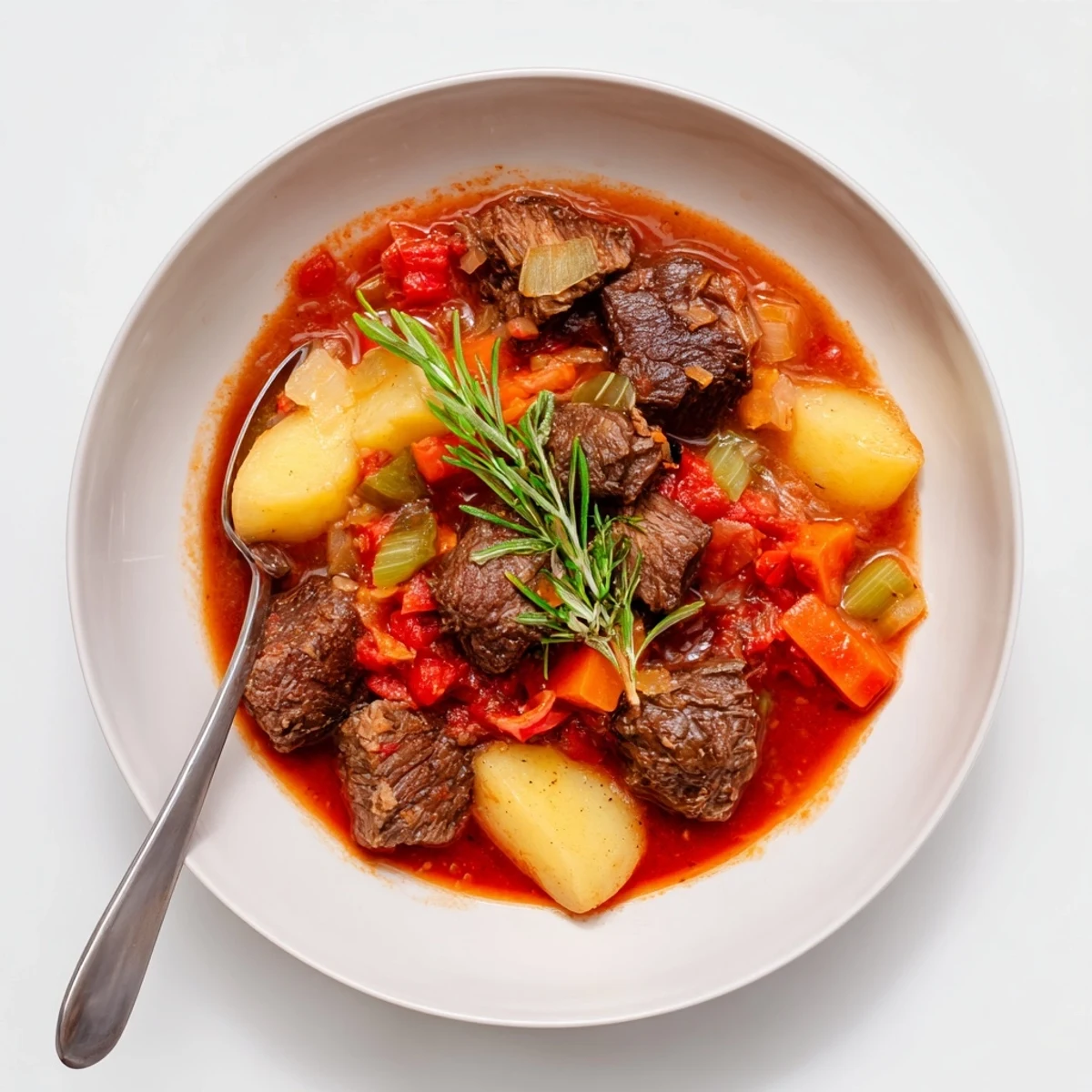
Save Spezzatino di Manzo is a slow-braised Italian beef classic: cubed chuck seared until caramelized, then simmered with onions, carrots, celery, tomatoes, red wine and beef broth with thyme, rosemary and bay. After 1.5 hours add potatoes and finish until meat is melting and sauce thick. Ideal with polenta or crusty bread; makes excellent leftovers.
The rain was hammering against the kitchen window so hard that evening that I could barely hear the pot clattering as I set it on the burner. My neighbor Lucia had just handed me a crumpled recipe card stained with tomato sauce, shrugging as she said it was the only thing worth eating on a night like this. She was right, of course. The smell that filled my apartment two hours later was so deeply savory that the hallway smelled like a Tuscan trattia.
I made this for a friend who claimed she did not eat beef, and she polished off two bowls before admitting defeat. There is something about the way the wine and tomatoes melt into the broth that makes people forget their opinions and just eat.
Ingredients
- Beef chuck (800 g, cubed): Chuck is the only cut worth using here because the fat and connective tissue break down into pure silk over a long simmer.
- Carrots (2 medium, sliced): They add a quiet sweetness that balances the acidity of the tomatoes and wine.
- Celery (2 stalks, chopped): An unsung hero that gives the broth a savory depth you cannot quite identify but would absolutely miss.
- Yellow onion (1 large, finely chopped): The foundation of every good Italian soffritto, so do not skimp on size.
- Potatoes (2 medium, cubed): They soak up the braising liquid and turn creamy without falling apart if you add them at the right time.
- Garlic (2 cloves, minced): Just two cloves because the stew is not about garlic, it is about the meat.
- Canned diced tomatoes (400 g): A good quality can beats fresh tomatoes nine months out of the year.
- Beef broth (500 ml): Low sodium is best so you can control the salt yourself.
- Dry red wine (120 ml): Drinkable wine only, if you would not pour a glass of it, do not pour it into the pot.
- Tomato paste (2 tbsp): This is the secret weapon that concentrates the entire flavor base.
- Extra virgin olive oil (2 tbsp): A good fruity oil makes a noticeable difference in the first bite.
- Bay leaves (2): Do not forget to remove them before serving, unless you enjoy surprising your guests with leathery leaves.
- Fresh thyme (3 to 4 sprigs) or dried (1 tsp): Fresh is lovely but dried works perfectly well when that is what you have.
- Fresh rosemary (1 sprig) or dried (1 tsp): A little goes a long way and adds that woodsy aroma that makes the kitchen smell like the countryside.
- Salt and black pepper: Season in layers, not all at once, and taste as you go.
Instructions
- Prep and season the beef:
- Pat the cubes thoroughly dry with paper towels and give them a generous shower of salt and pepper. Wet meat steams instead of browning, and that deep crust is where half the flavor lives.
- Sear in batches:
- Heat the olive oil in your heaviest pot over medium high heat and brown the beef in a single layer without crowding. Let each side develop a genuine dark crust before turning, then transfer the browned pieces to a plate.
- Build the soffritto:
- In the same pot with all those caramelized bits still stuck to the bottom, toss in the onion, carrots, and celery with a pinch of salt. Sauté until everything softens and smells sweet, about five or six minutes, then stir in the garlic for one final minute.
- Concentrate and deglaze:
- Stir the tomato paste into the vegetables and let it cook for two minutes until it darkens slightly. Pour in the wine and scrape up every last browned bit from the bottom of the pot, letting the liquid reduce by half.
- Bring it all together:
- Return the beef and any juices from the plate back into the pot, then add the diced tomatoes, broth, bay leaves, thyme, and rosemary. Stir everything gently and bring it to a simmer.
- Slow cook covered:
- Cover the pot and reduce the heat to low, letting everything bubble gently for one and a half hours. Stir occasionally and resist the urge to crank the heat.
- Add potatoes and finish:
- Drop in the potatoes, adjust the seasoning, and cook uncovered for another thirty minutes until the beef yields to a fork and the sauce coats the back of a spoon.
- Rest and serve:
- Fish out the bay leaves and herb stems, then let the stew sit for five minutes before ladling it into bowls. Serve with crusty bread, polenta, or nothing at all.
 Save
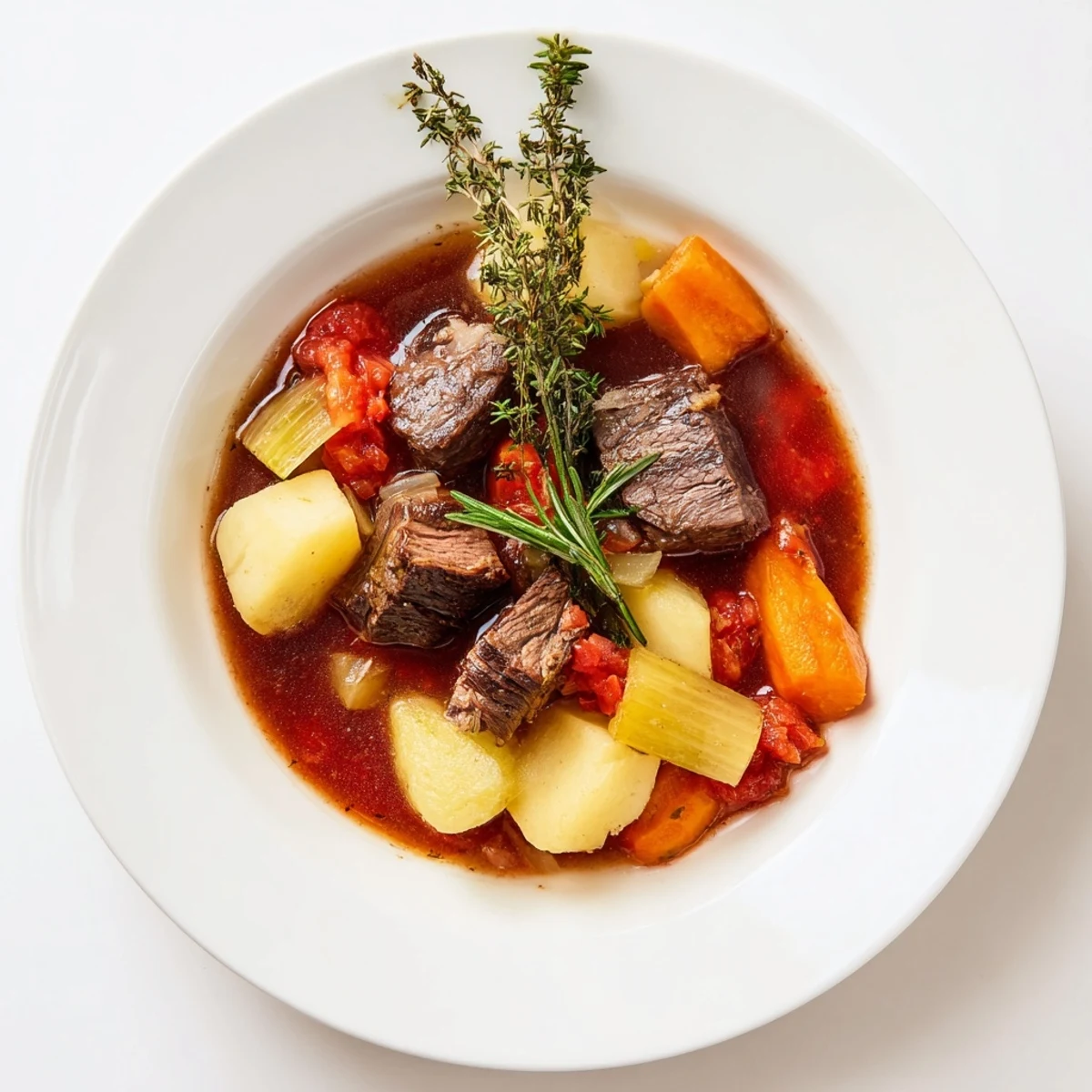
Save The first time I served this to my family, my father went quiet after the first bite, which is the highest compliment in an Italian household. He asked for the recipe, and I pretended it was complicated.
What to Serve Alongside
A bowl of this stew barely needs company, but a mound of soft polenta underneath turns it into something worthy of a Sunday table. Crusty bread for soaking up the sauce is nonnegotiable in my kitchen, and a glass of the same wine you cooked with ties everything together beautifully.
Making It Your Own
Throw in a handful of mushrooms or peas during the last twenty minutes if you want to stretch it further or lighten the heaviness. You can skip the potatoes entirely and serve it over mashed potatoes instead, which is gloriously redundant and completely delicious. The recipe forgives almost any substitution as long as you keep the browning step and the long simmer intact.
Leftovers and Storage
This stew keeps beautifully in the refrigerator for up to four days and freezes for three months without losing any of its character. Reheat it gently on the stove with a splash of broth to loosen the sauce.
- Freeze in individual portions for the most satisfying weeknight dinner you will ever reheat.
- The sauce will thicken considerably in the fridge, so do not be alarmed, it means you did it right.
- Always label the container with the date because every frozen stew eventually looks the same.
 Save
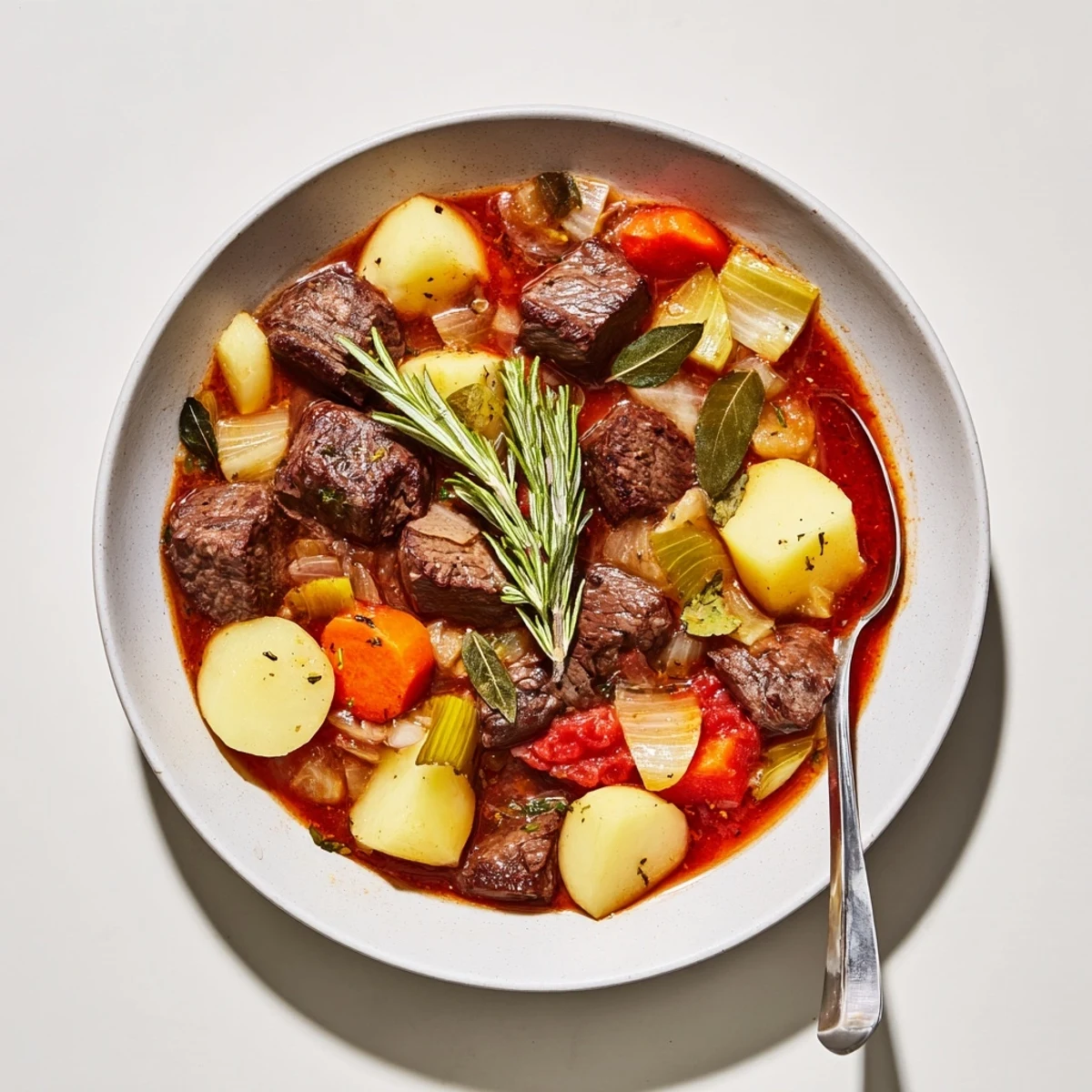
Save Some recipes are just dinner, but this one is the kind of meal that makes people linger at the table long after the bowls are empty. Keep the recipe card somewhere safe, because someone will always ask for it.
Recipe FAQs
- → What cut of beef works best?
-
Use well-marbled chuck or shin cut into 2.5–3 cm cubes. The connective tissue breaks down during long, gentle cooking, yielding tender, flavorful meat.
- → Can I substitute the red wine?
-
Yes. Choose a dry red like Chianti or Barbera for acidity and depth. For no alcohol, use extra beef broth and a splash of balsamic or red-wine vinegar to brighten the sauce.
- → How do I thicken the sauce?
-
Reduce the braising liquid uncovered until it coats a spoon, stir in mashed potatoes or a small spoon of tomato paste, or finish with a beurre manié for a silkier texture while keeping gluten-free options in mind.
- → Is this suitable for make-ahead?
-
Absolutely. Cool and refrigerate overnight to let flavors meld; reheat gently and skim any solidified fat. Stews often taste better the next day.
- → What sides pair well with it?
-
Serve with creamy polenta, mashed potatoes, or rustic crusty bread to soak up the sauce. A simple sautéed green or roasted vegetable balances the richness.
- → Can I use a slow cooker?
-
Yes. Brown the beef and sauté the vegetables first, then transfer to a slow cooker with liquids and herbs. Cook on low 6–8 hours and add potatoes in the final hour to avoid overcooking.